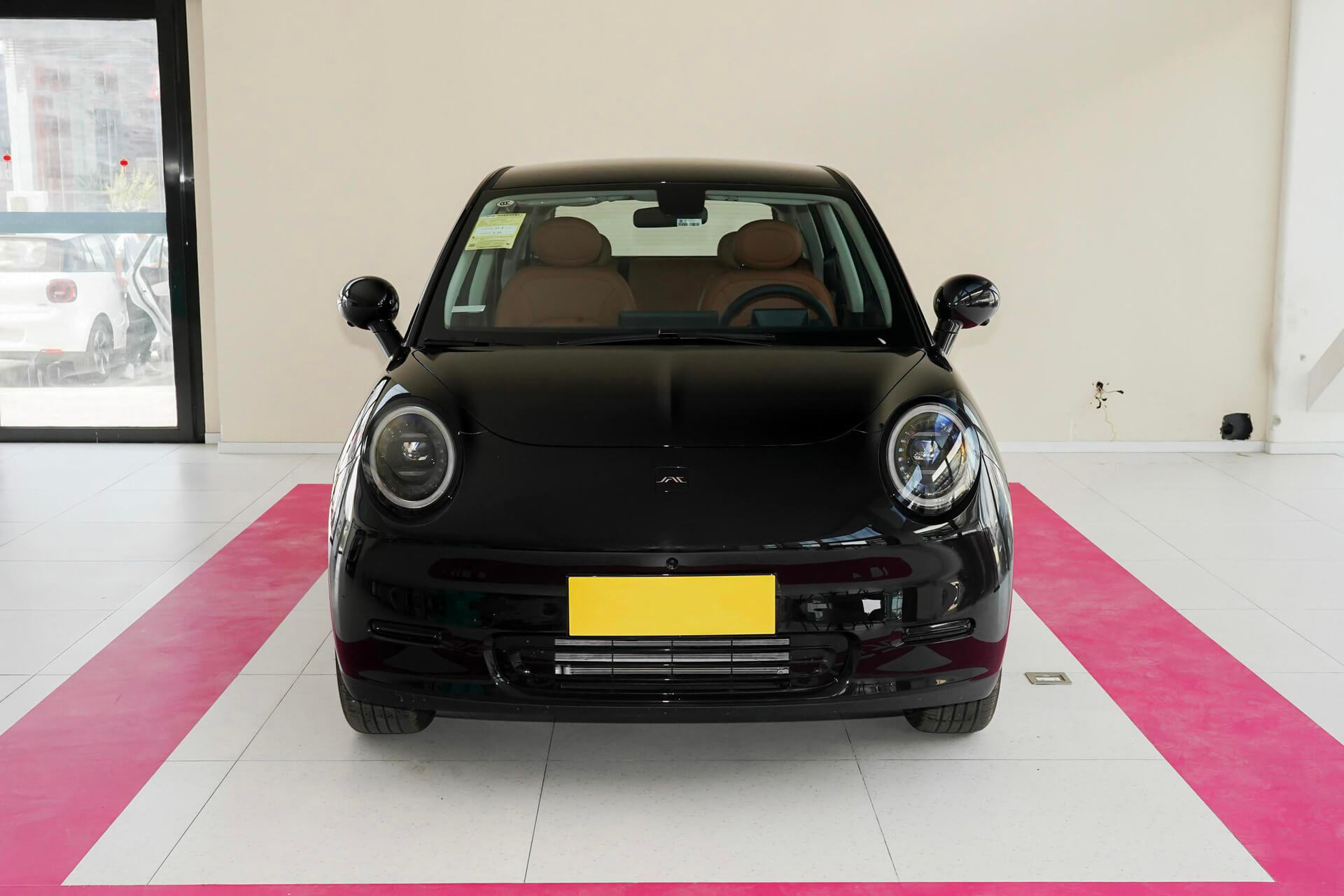
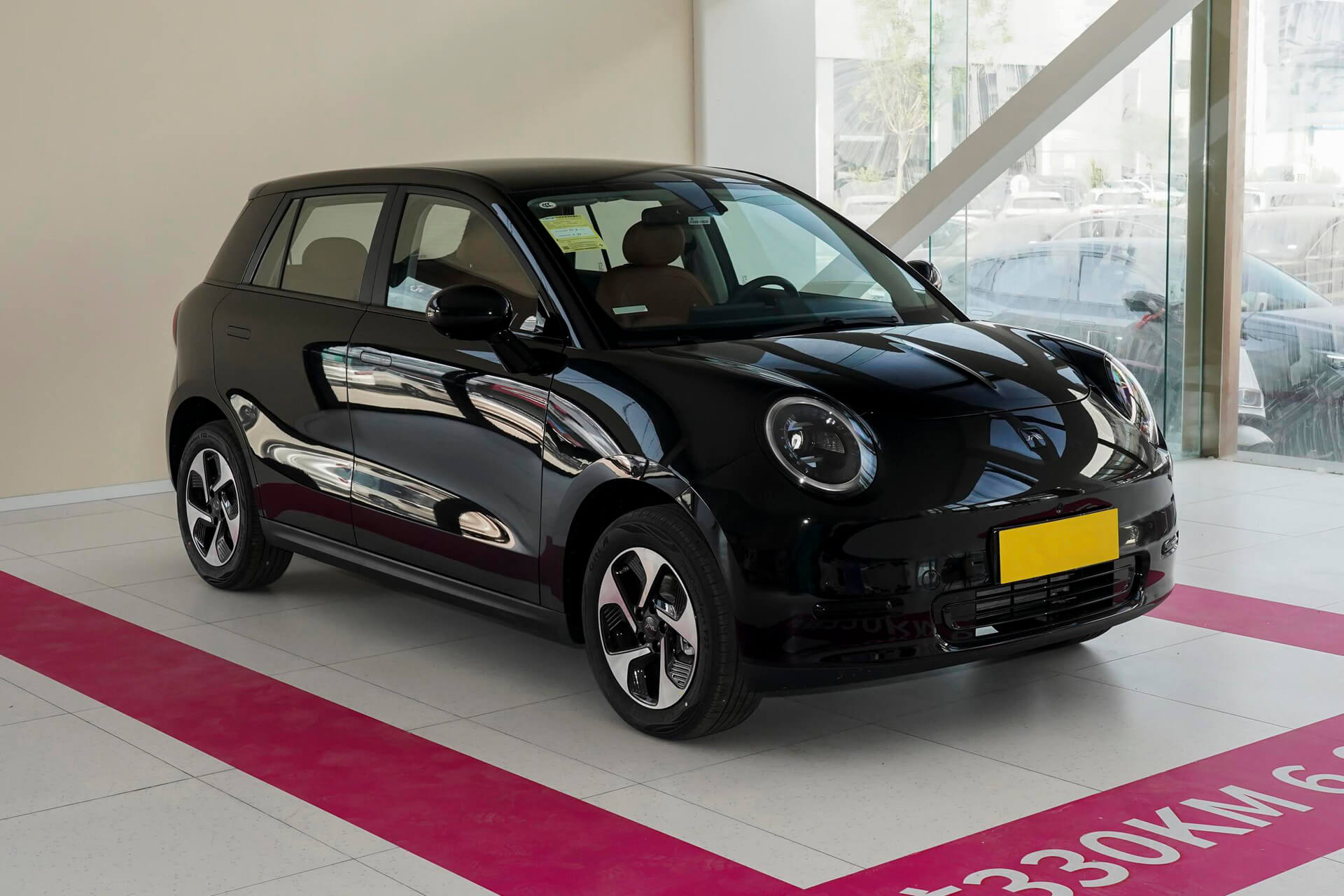
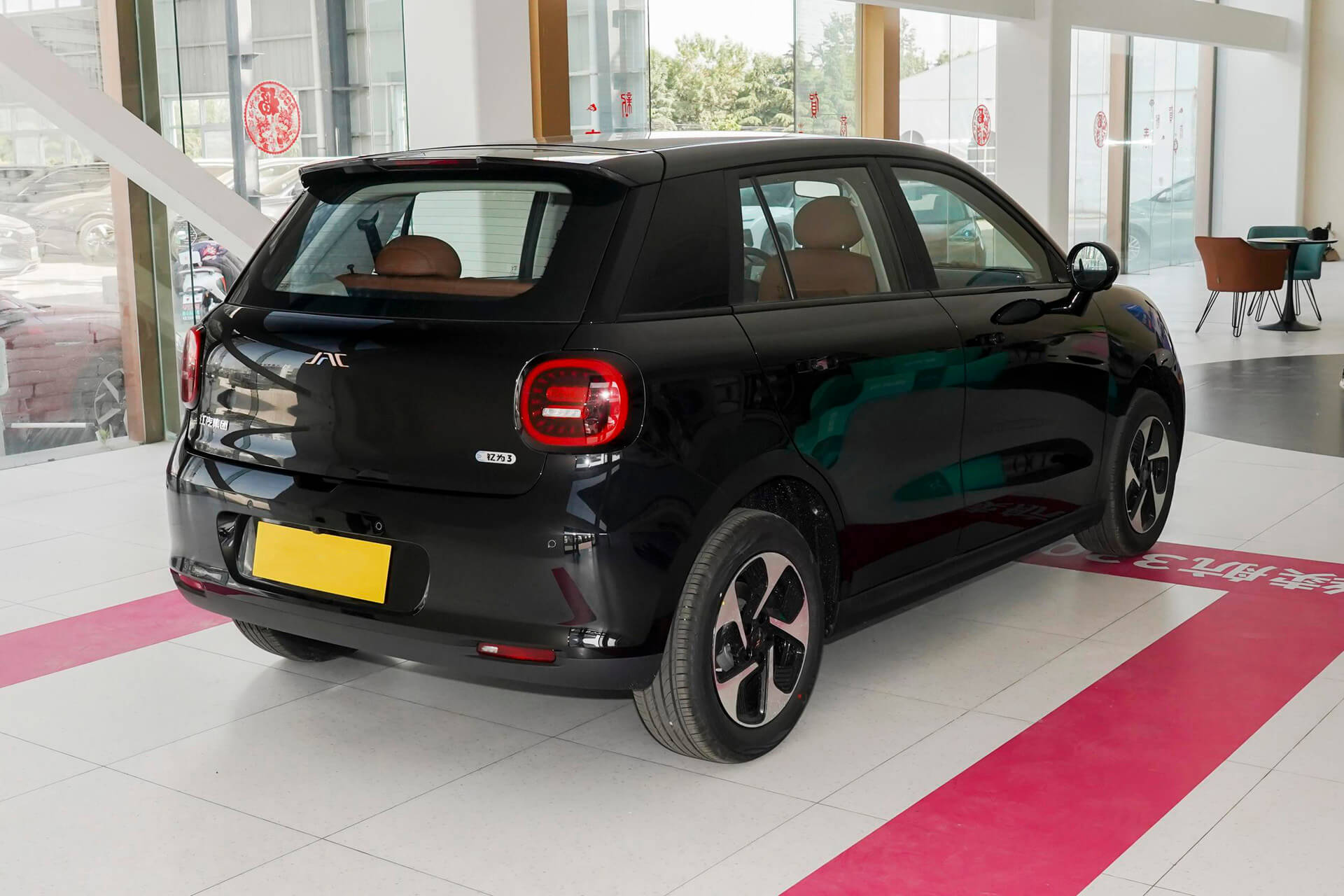
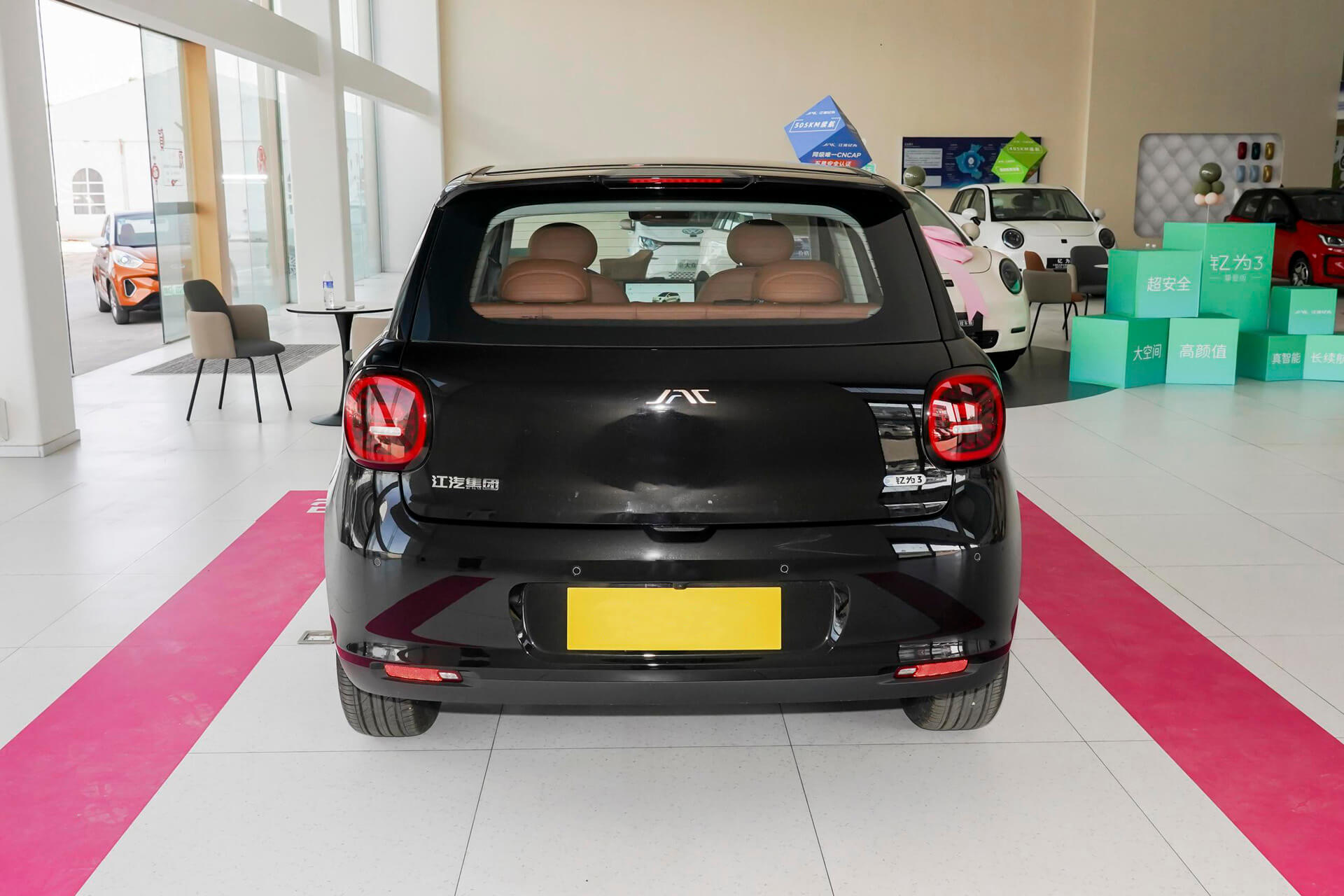
Jac Yiwei 3
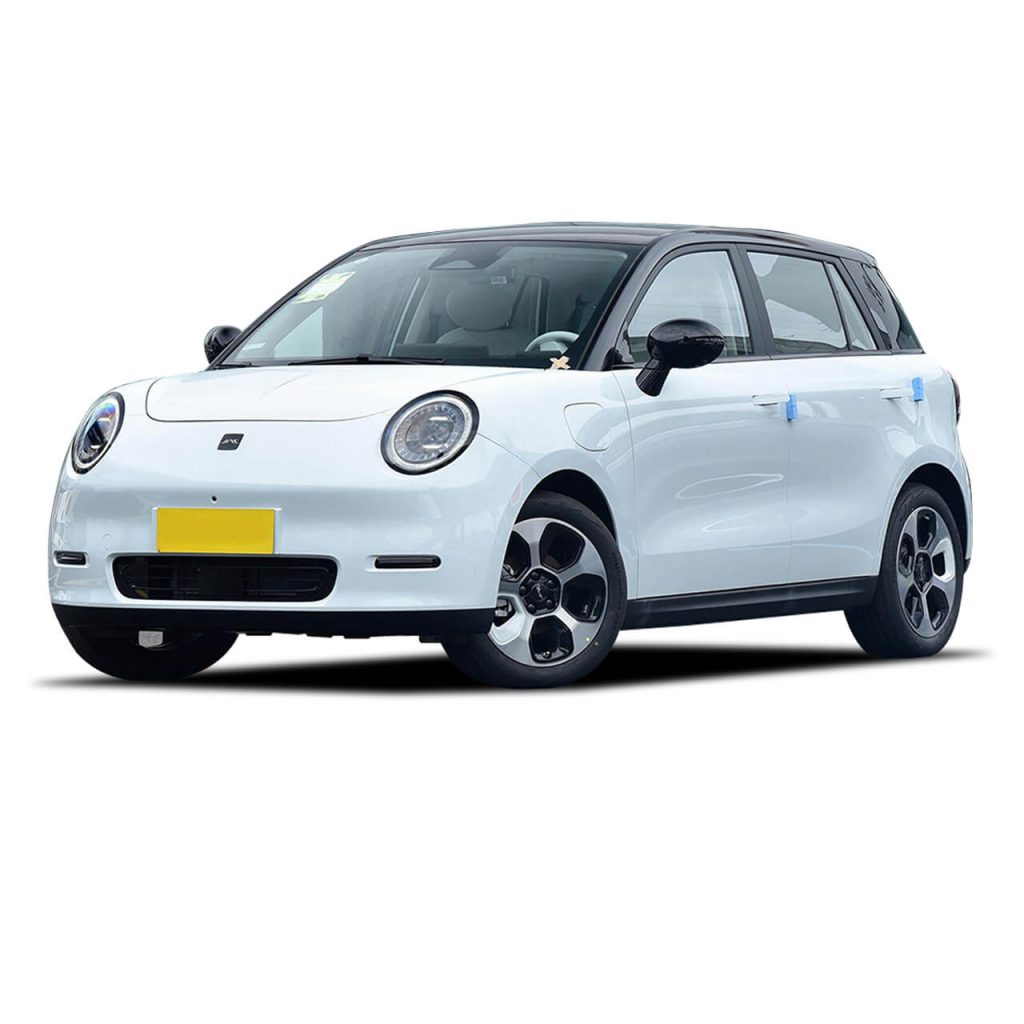
Jac Yiwei 3: choose the range and trim group
Jac Yiwei 3 lists 330, 405 and 505 km CLTC groups with 34.5, 41 and 51.5 kWh batteries respectively. Motor power and tire specifications vary by version. Select the named trim and verify charging hardware; CLTC range is not a guaranteed daily driving distance.
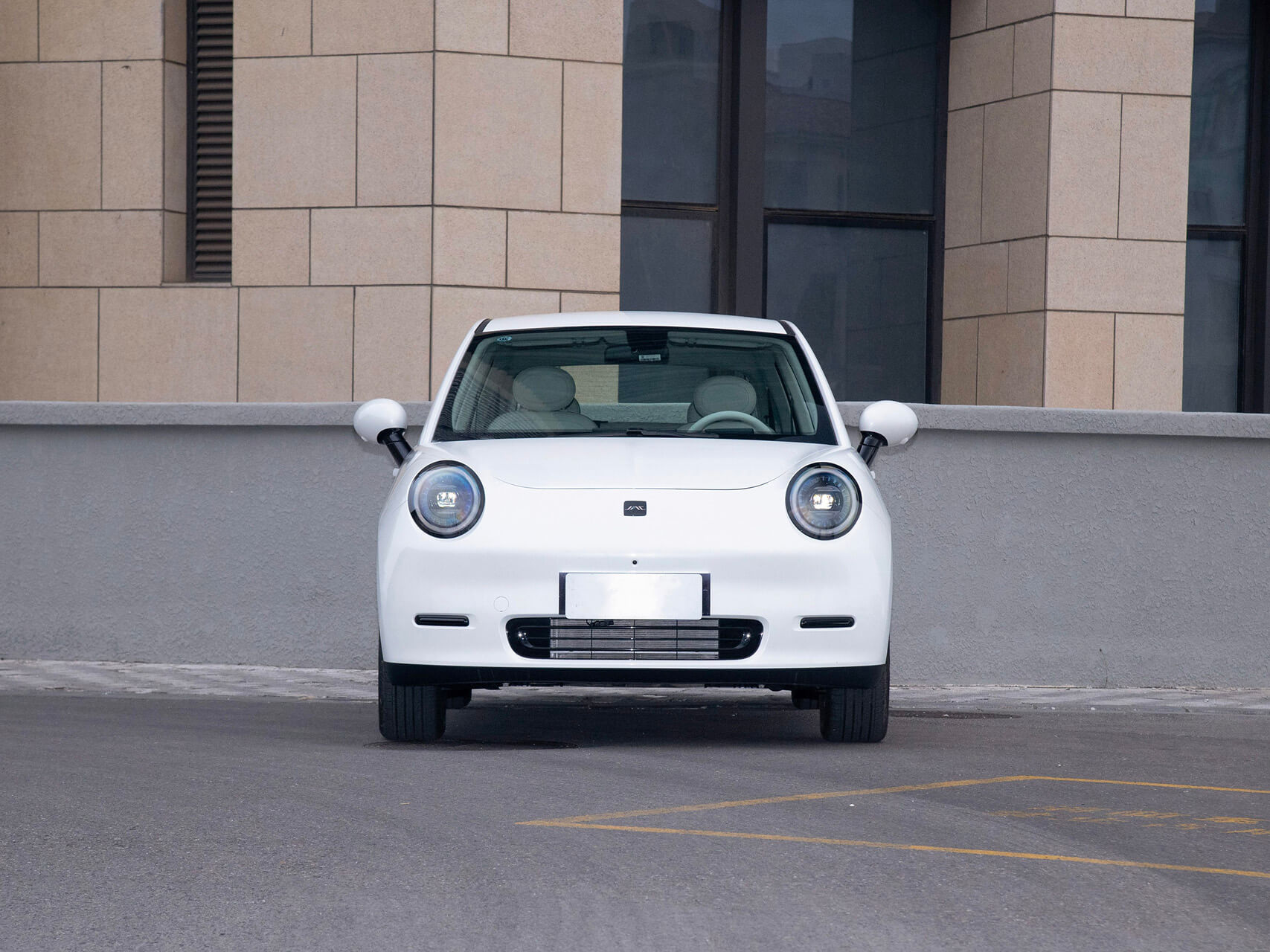
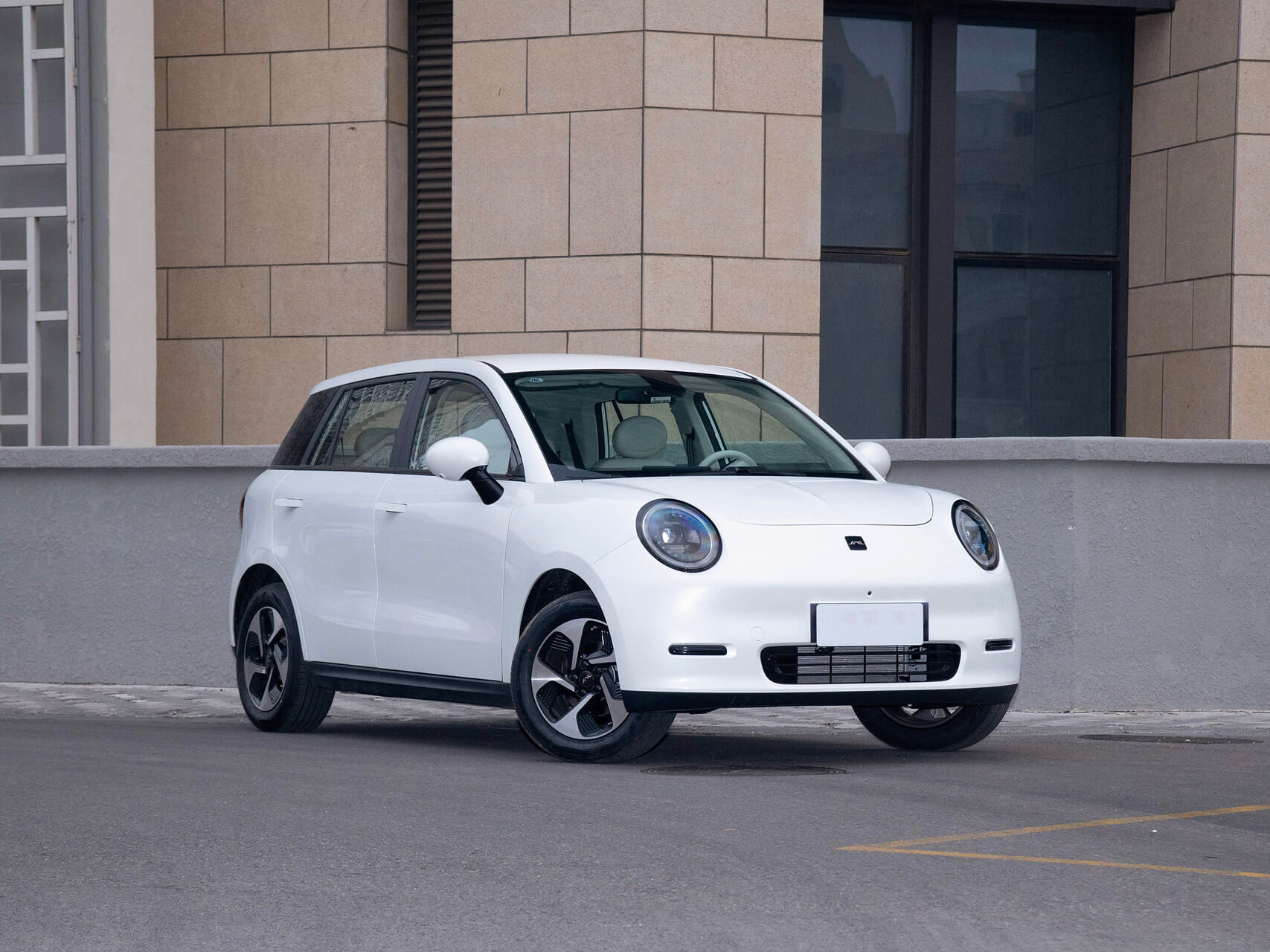
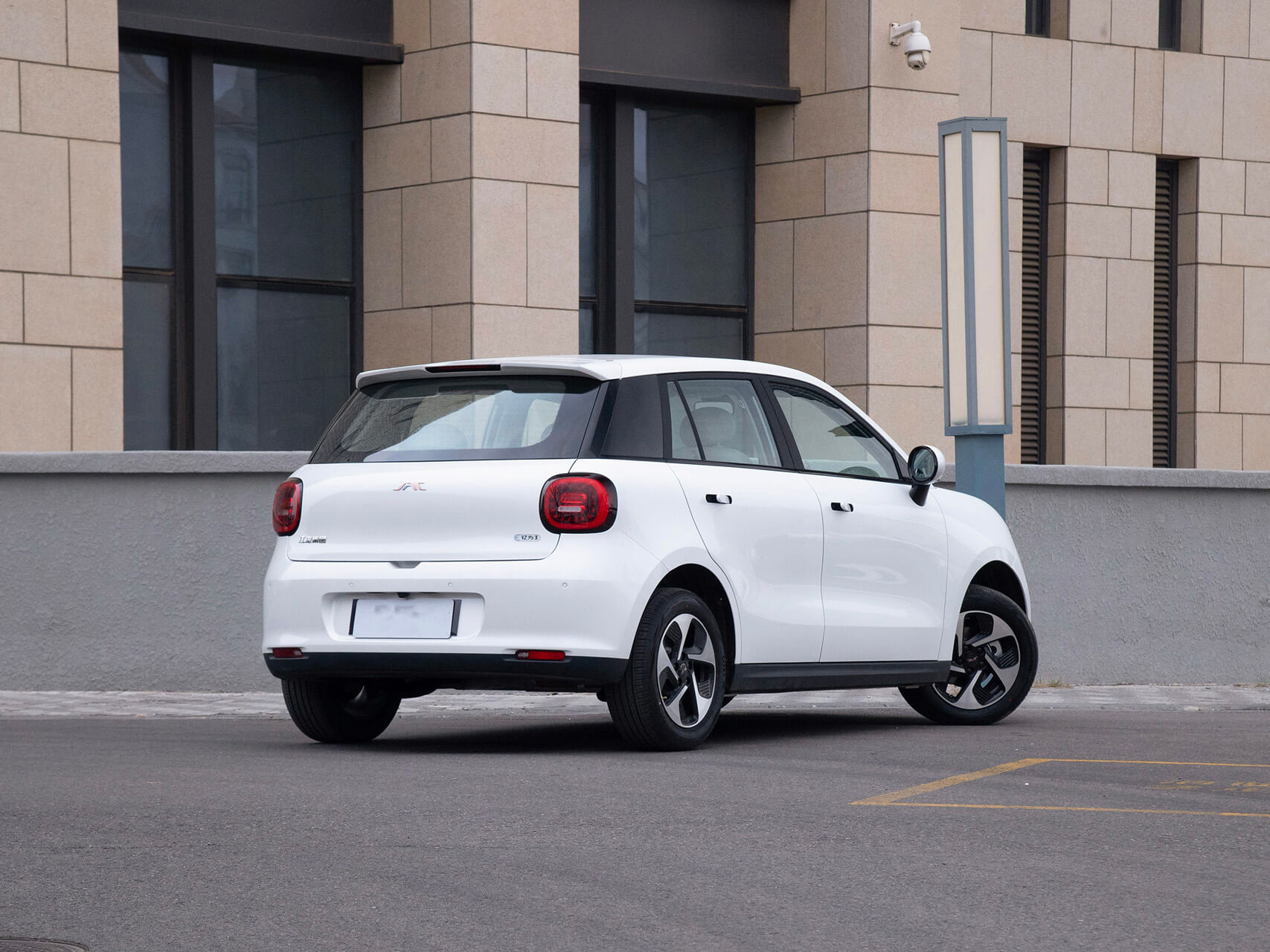
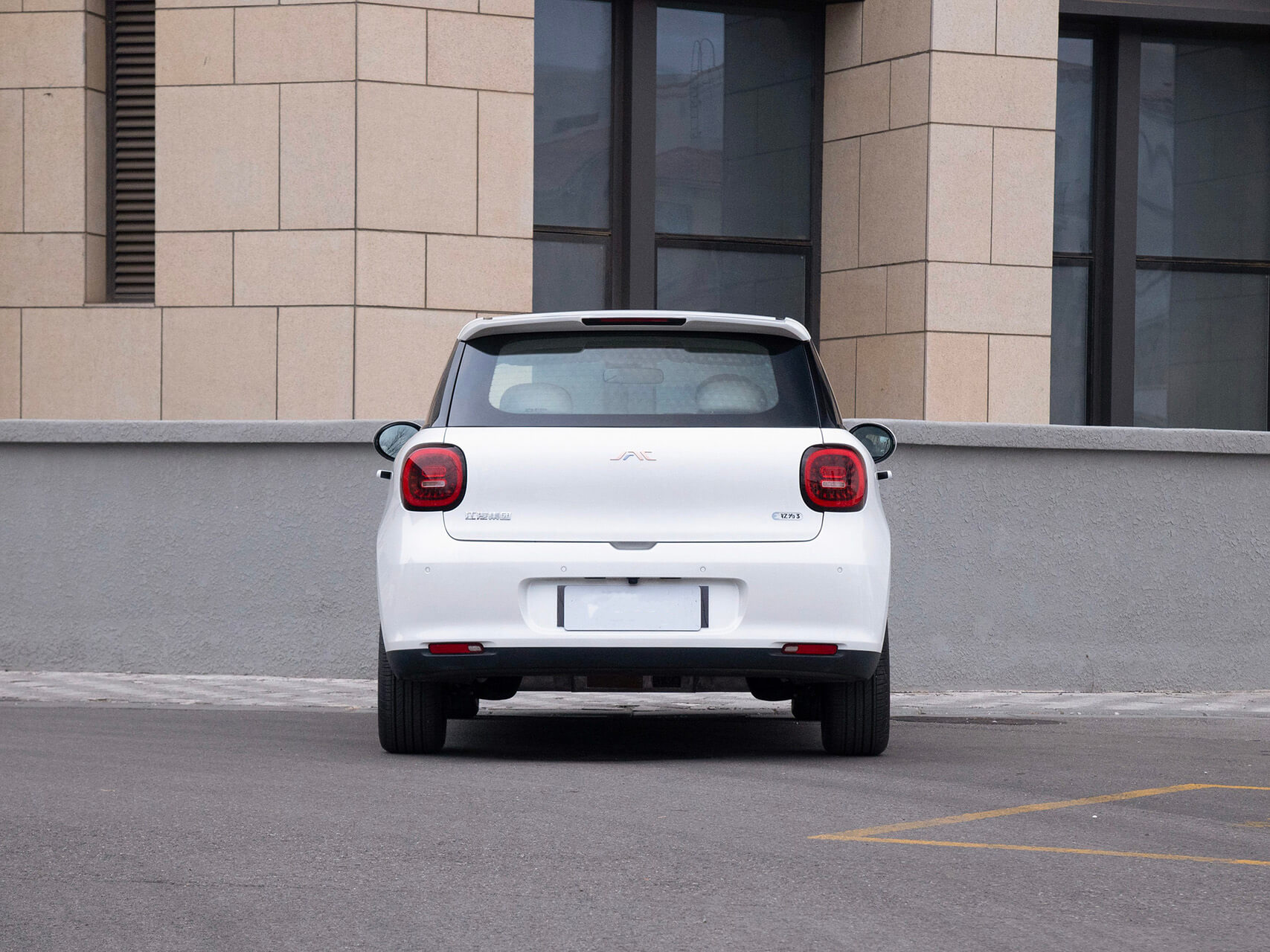
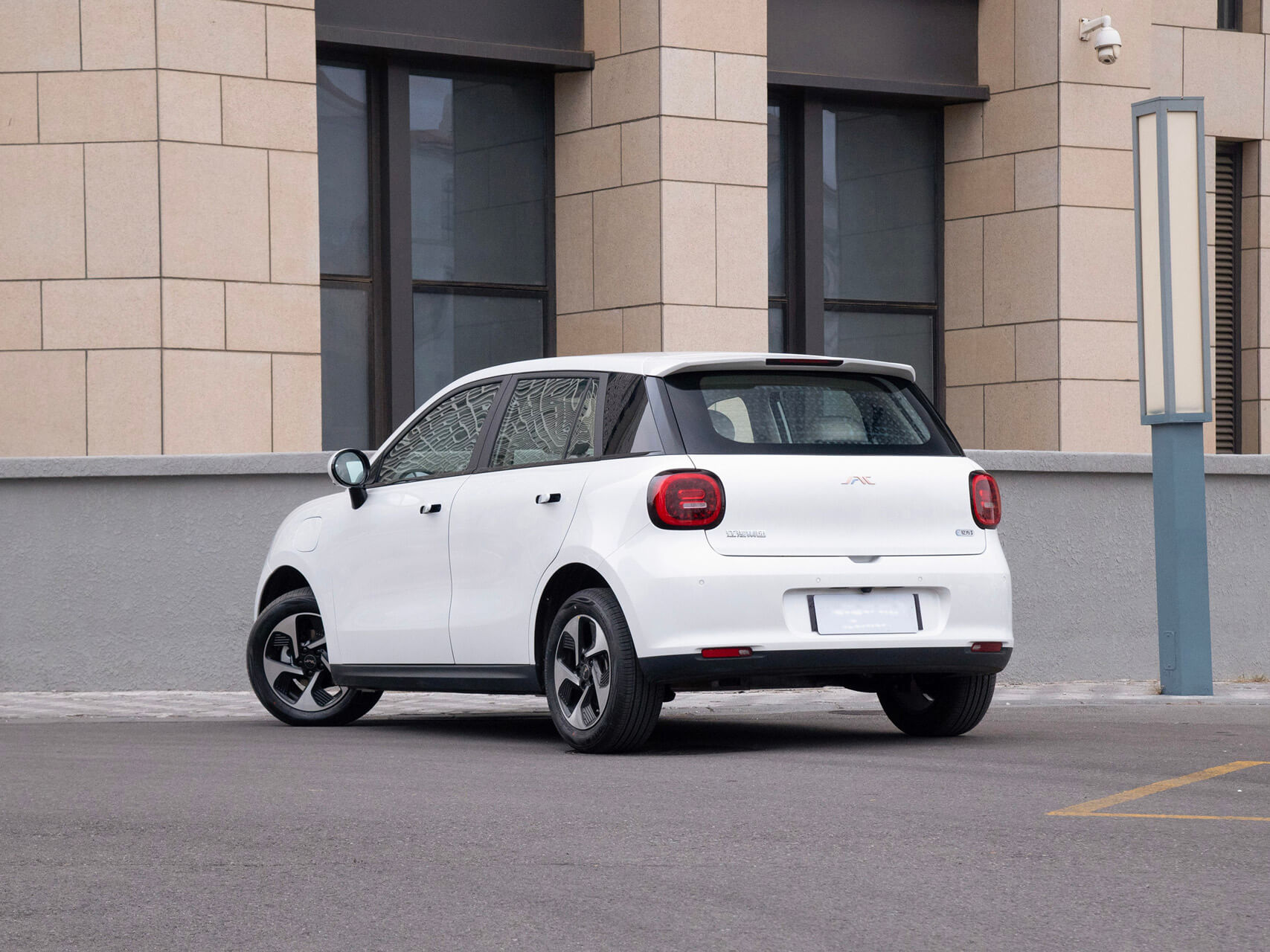
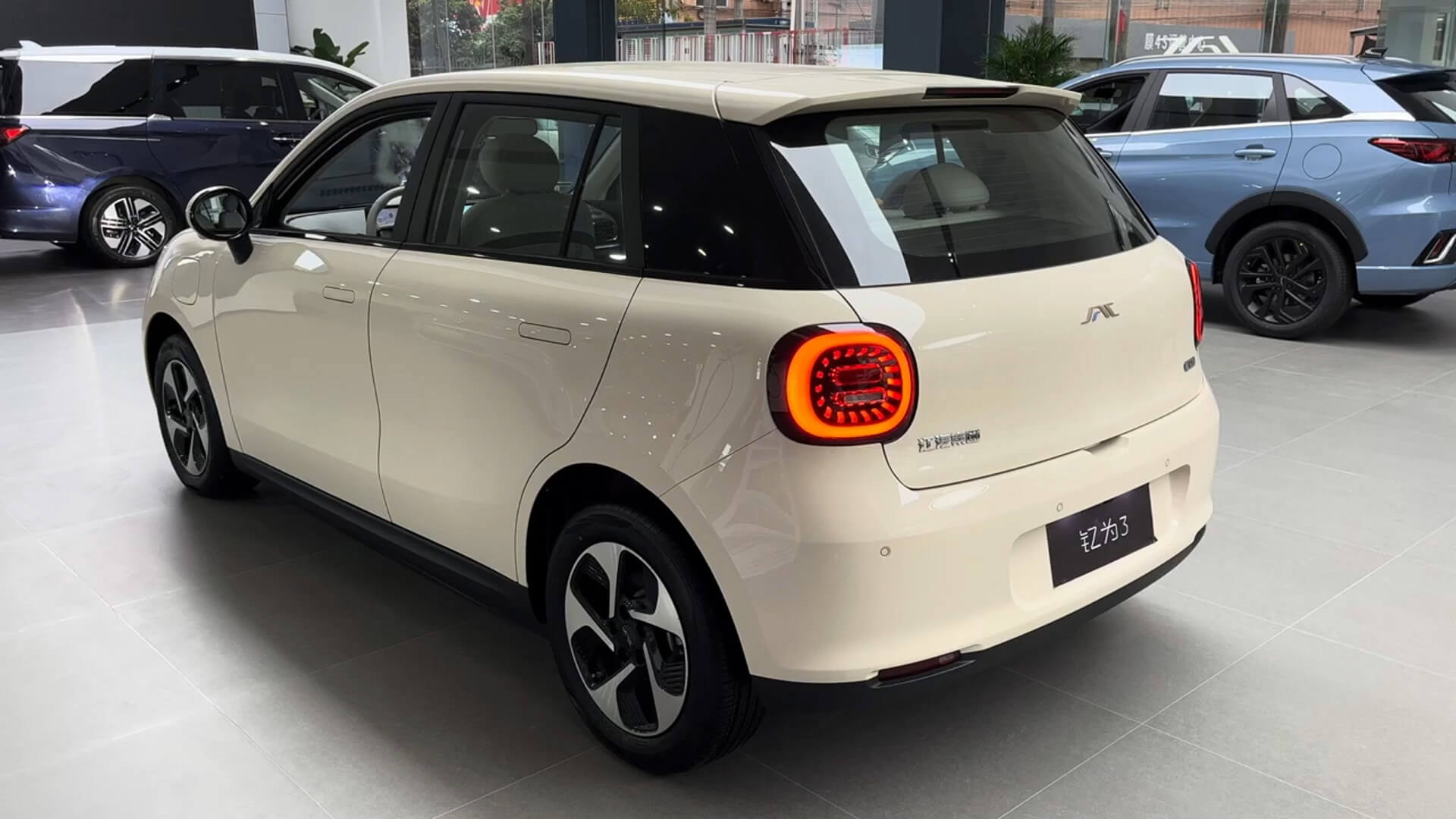
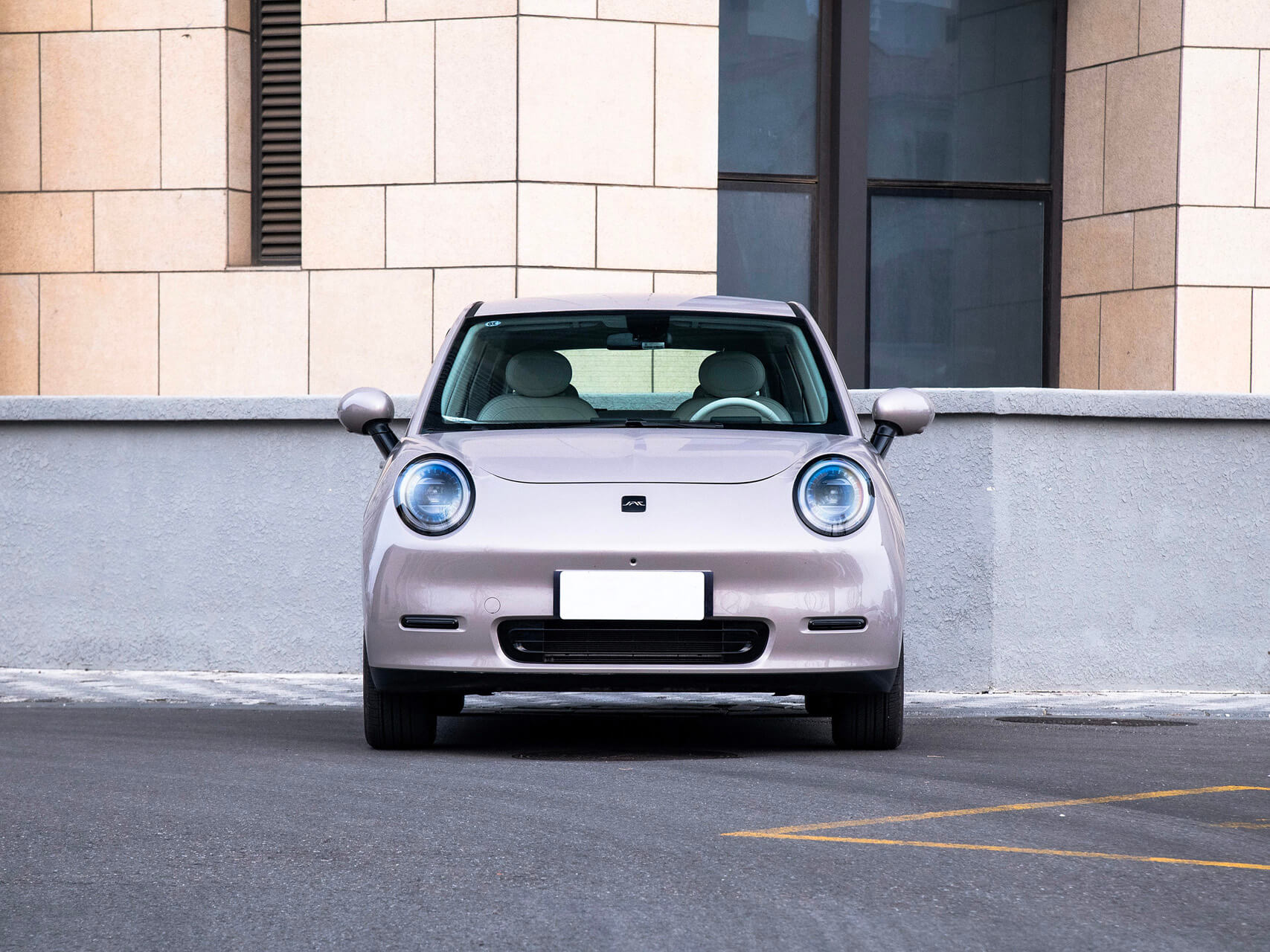
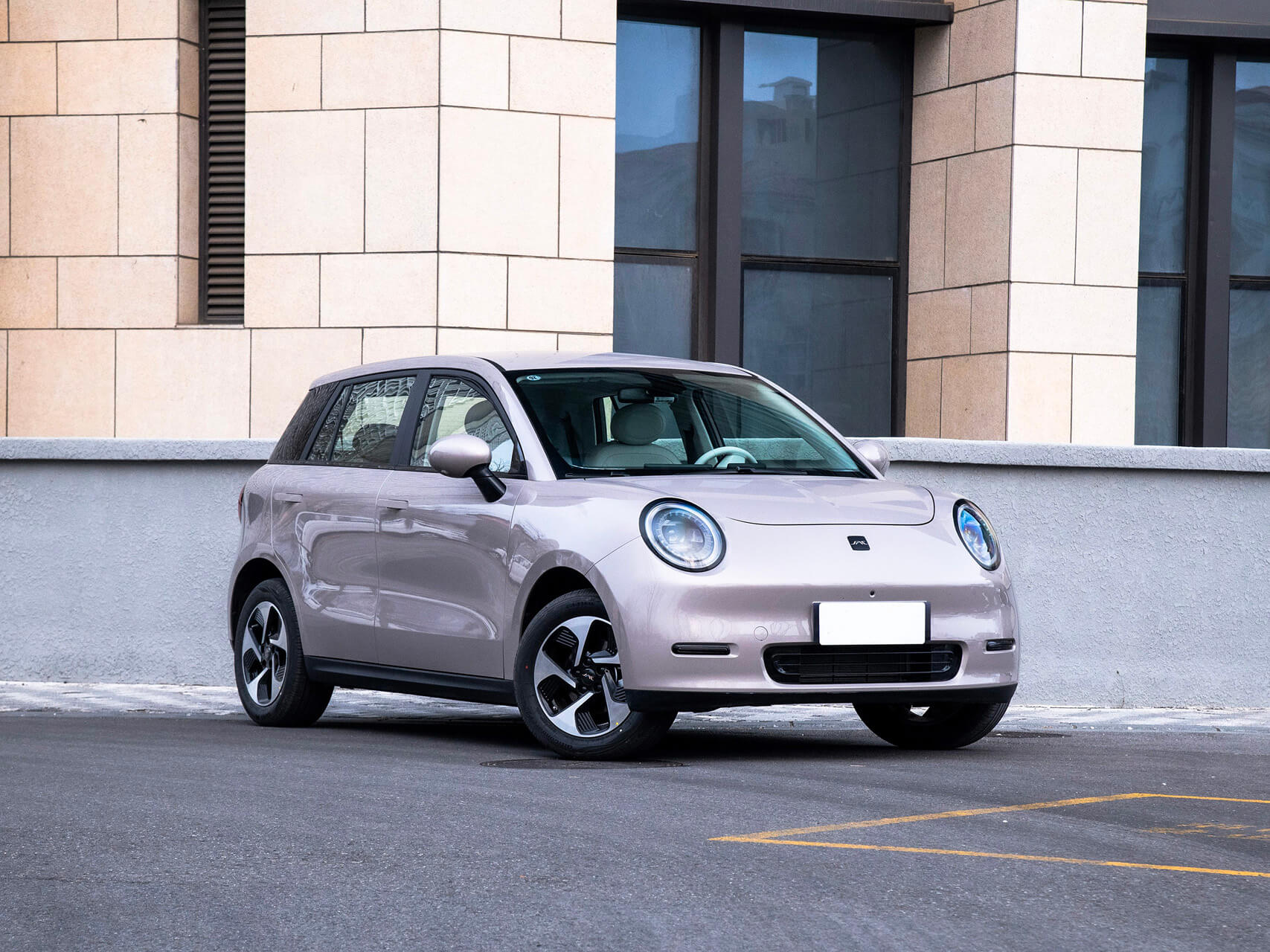
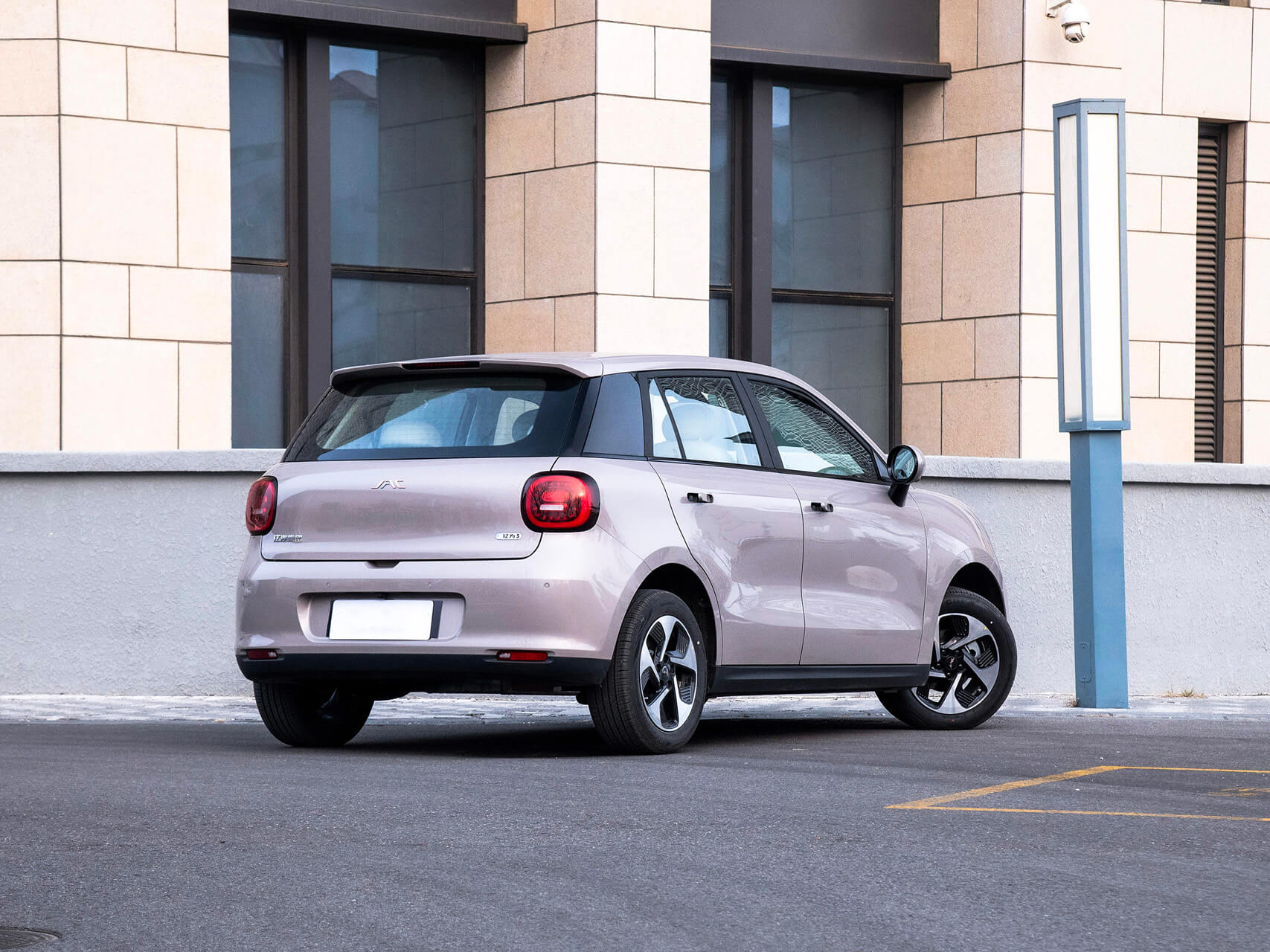
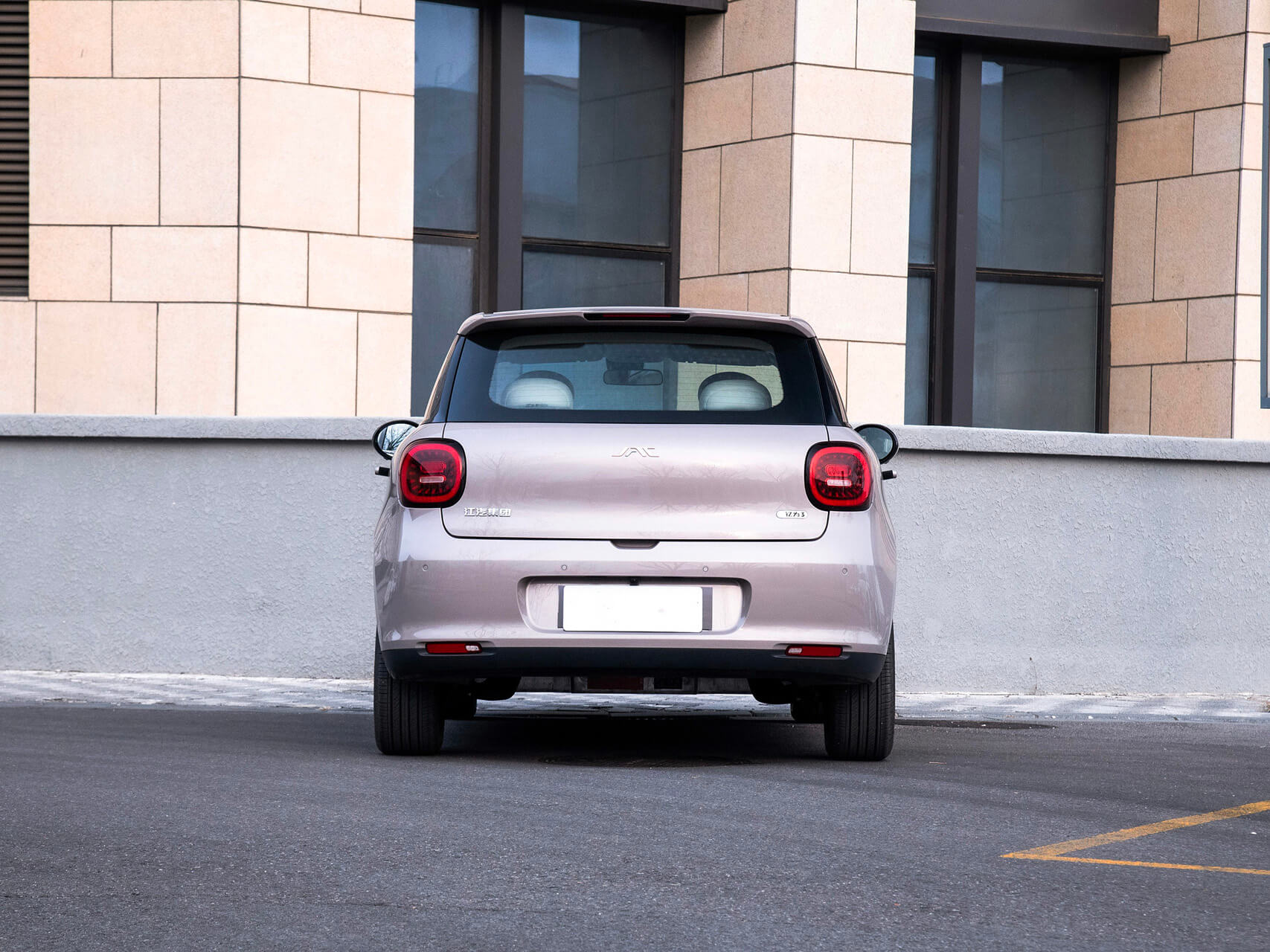
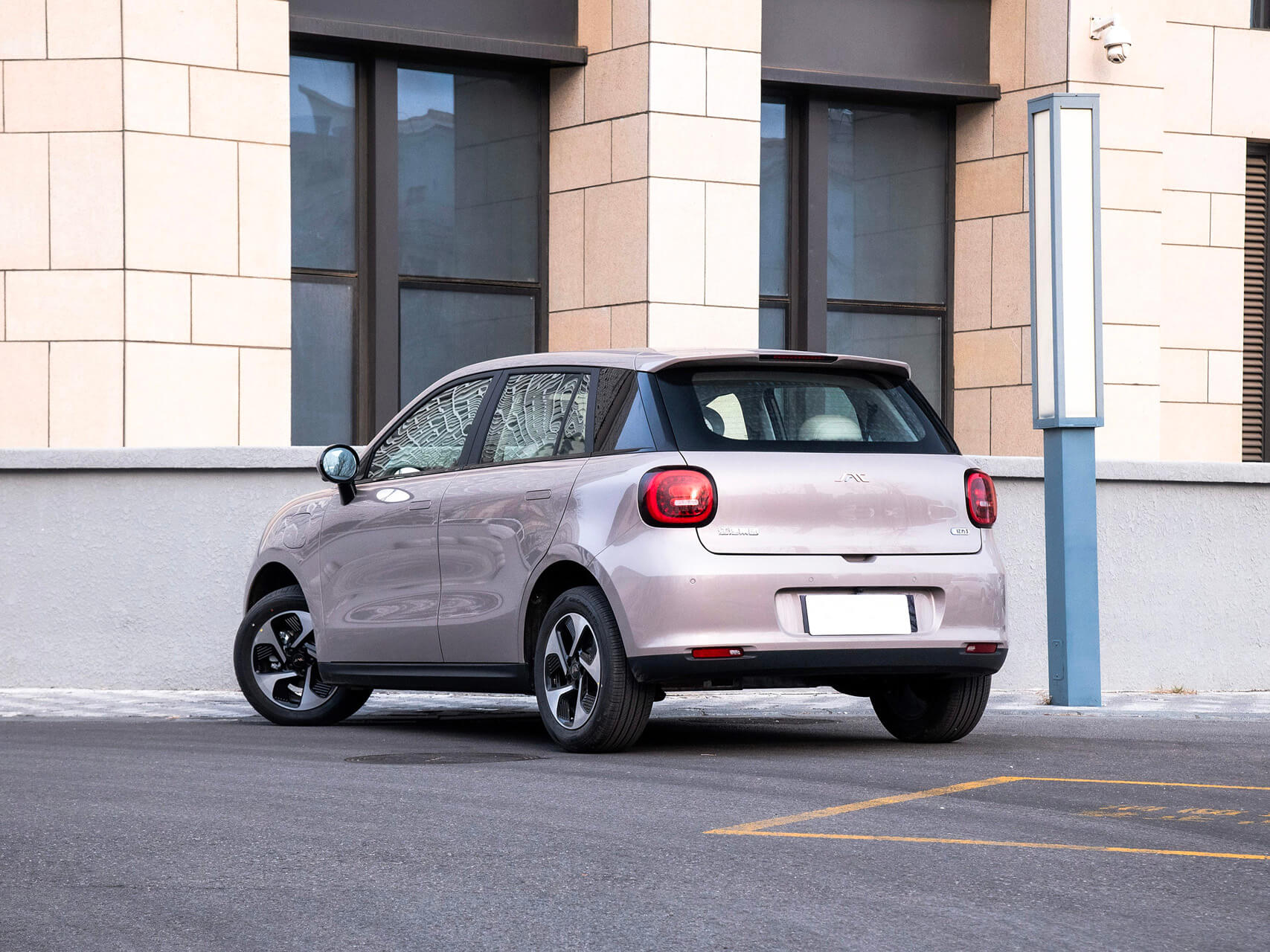
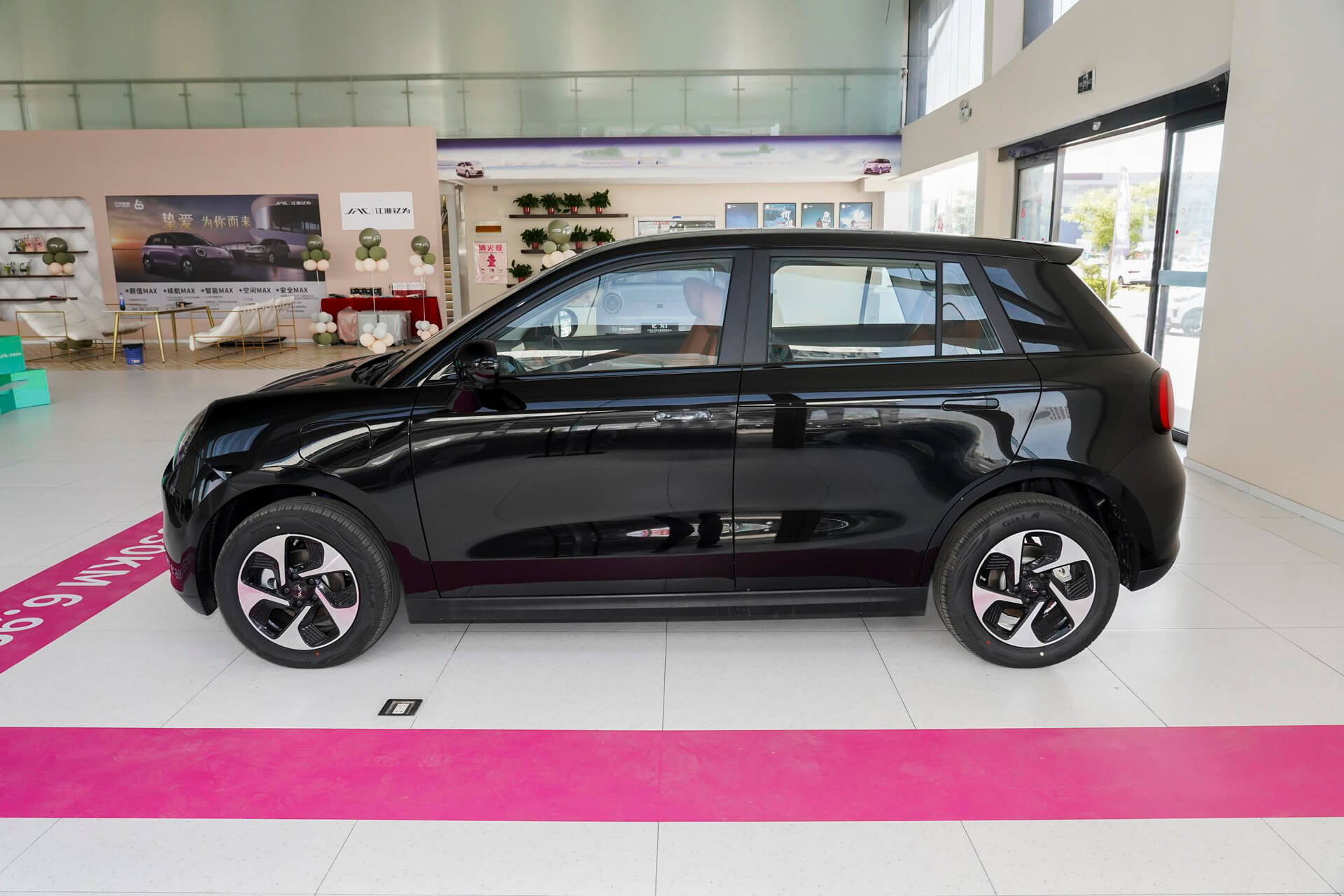
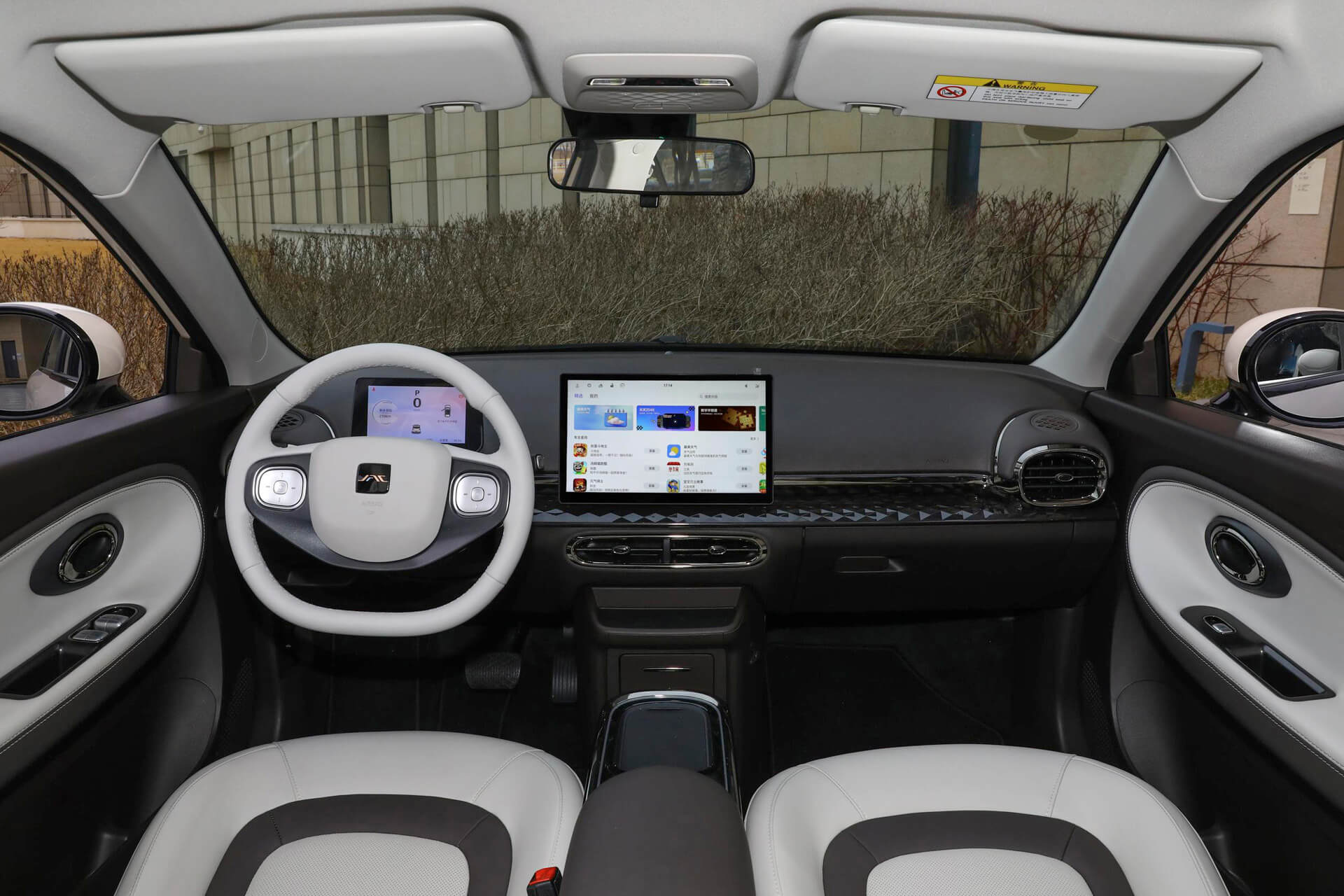
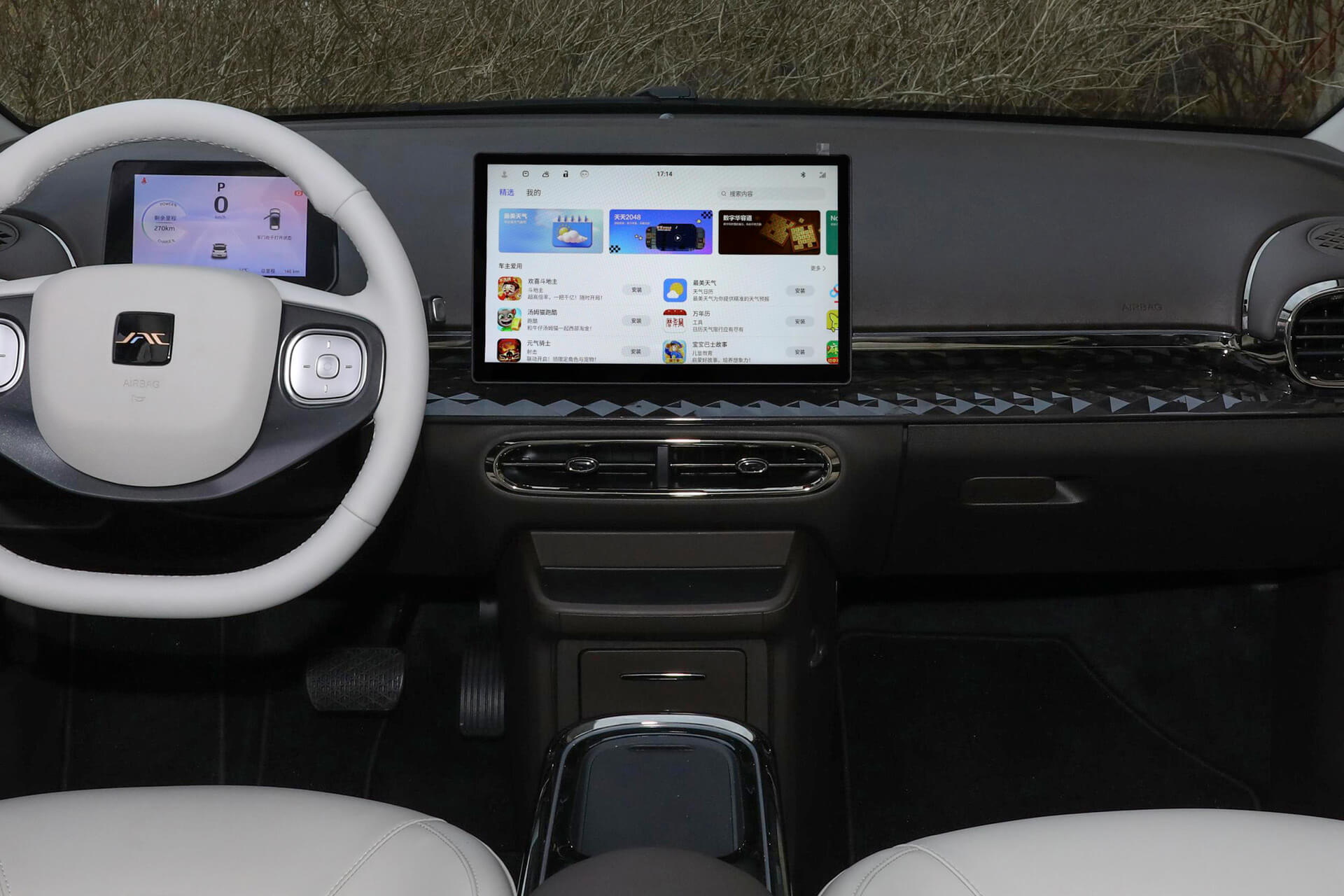
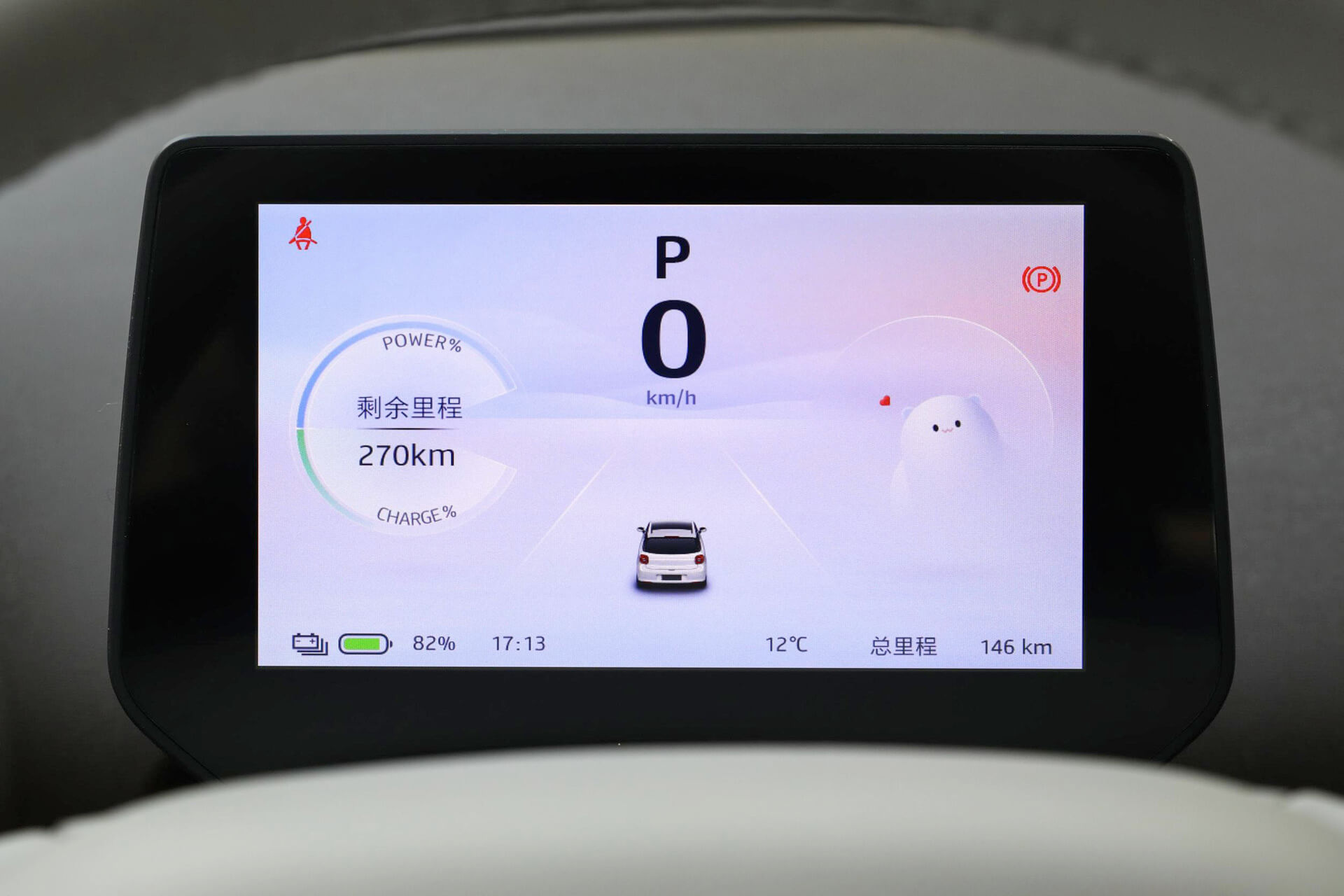
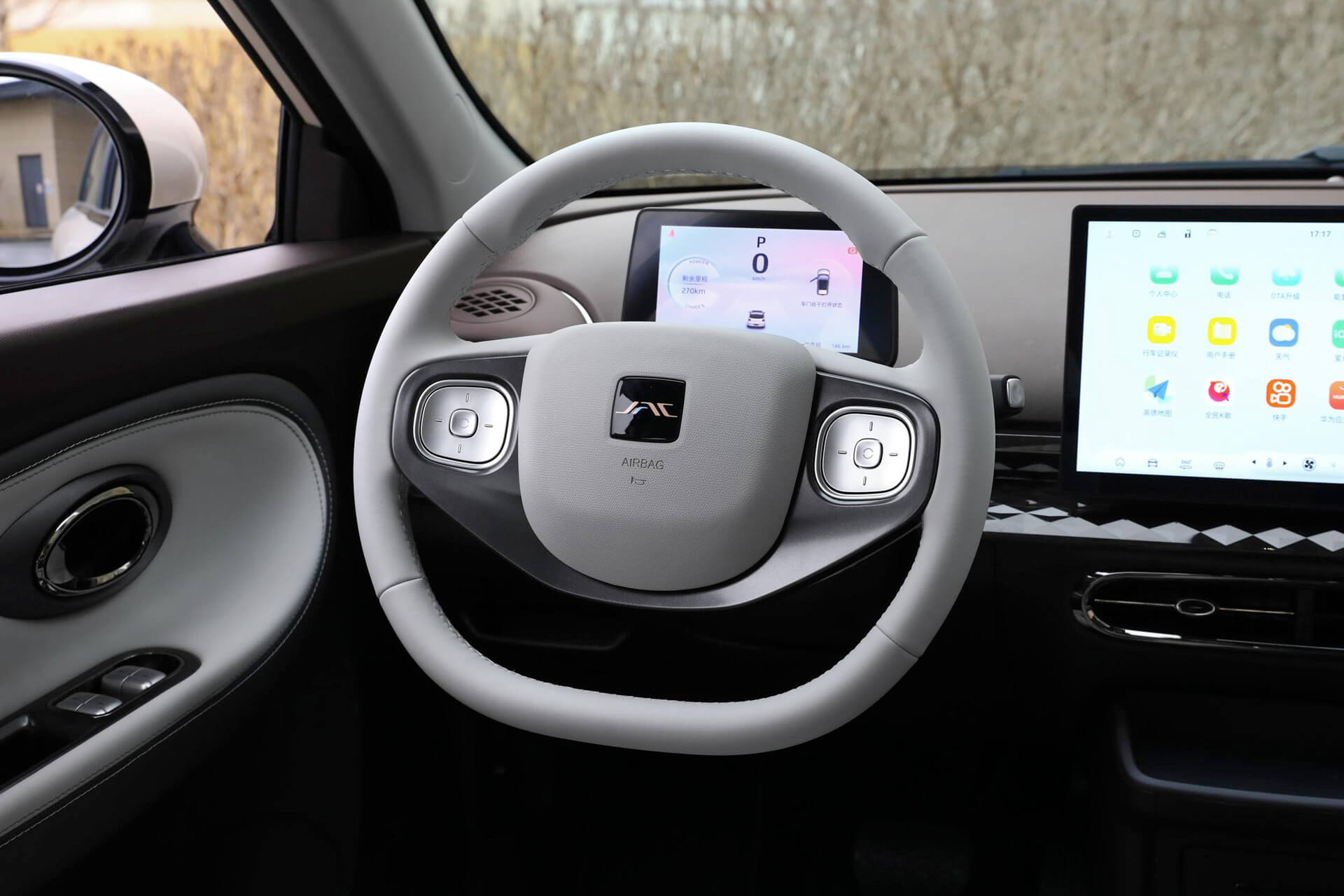
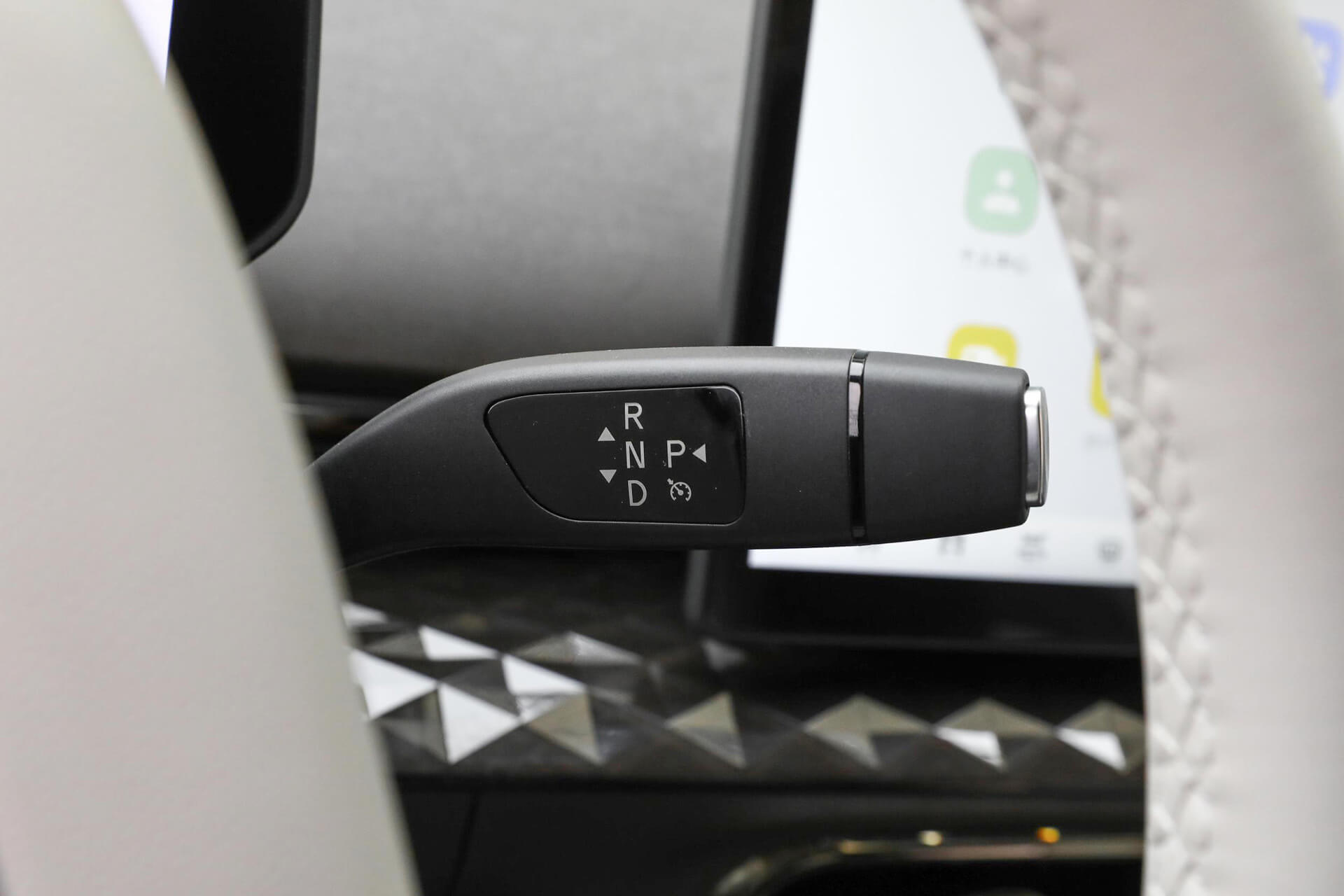
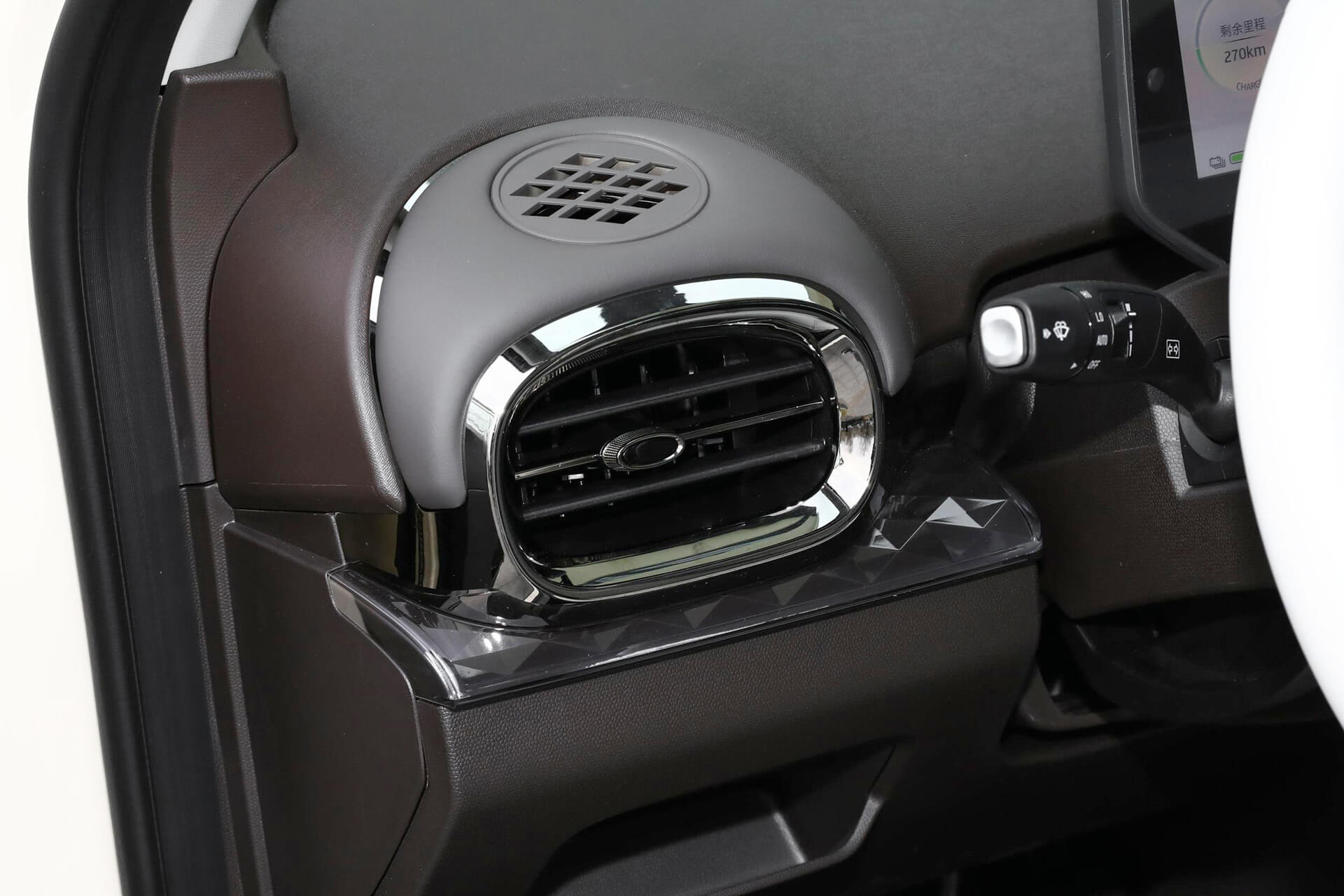
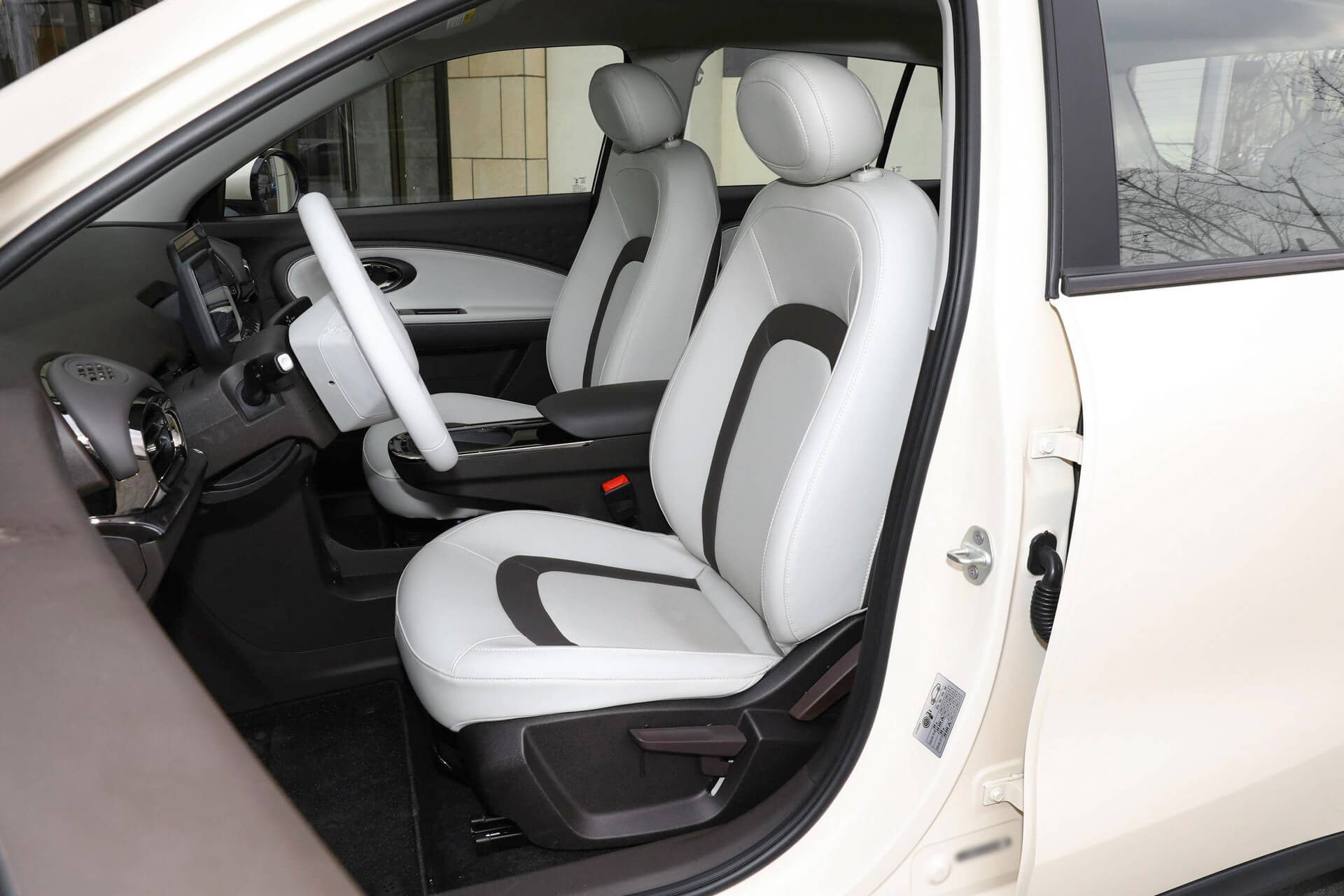
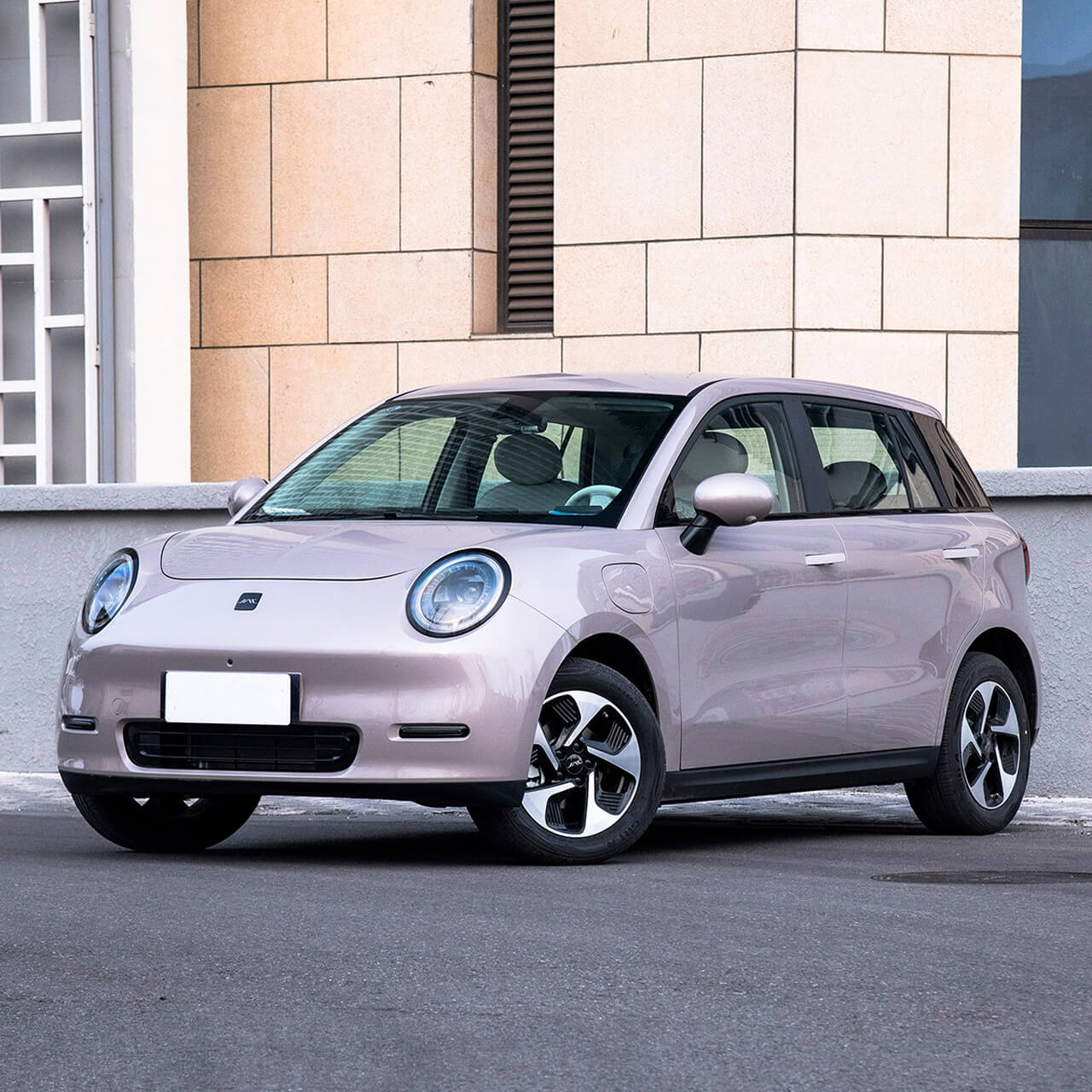
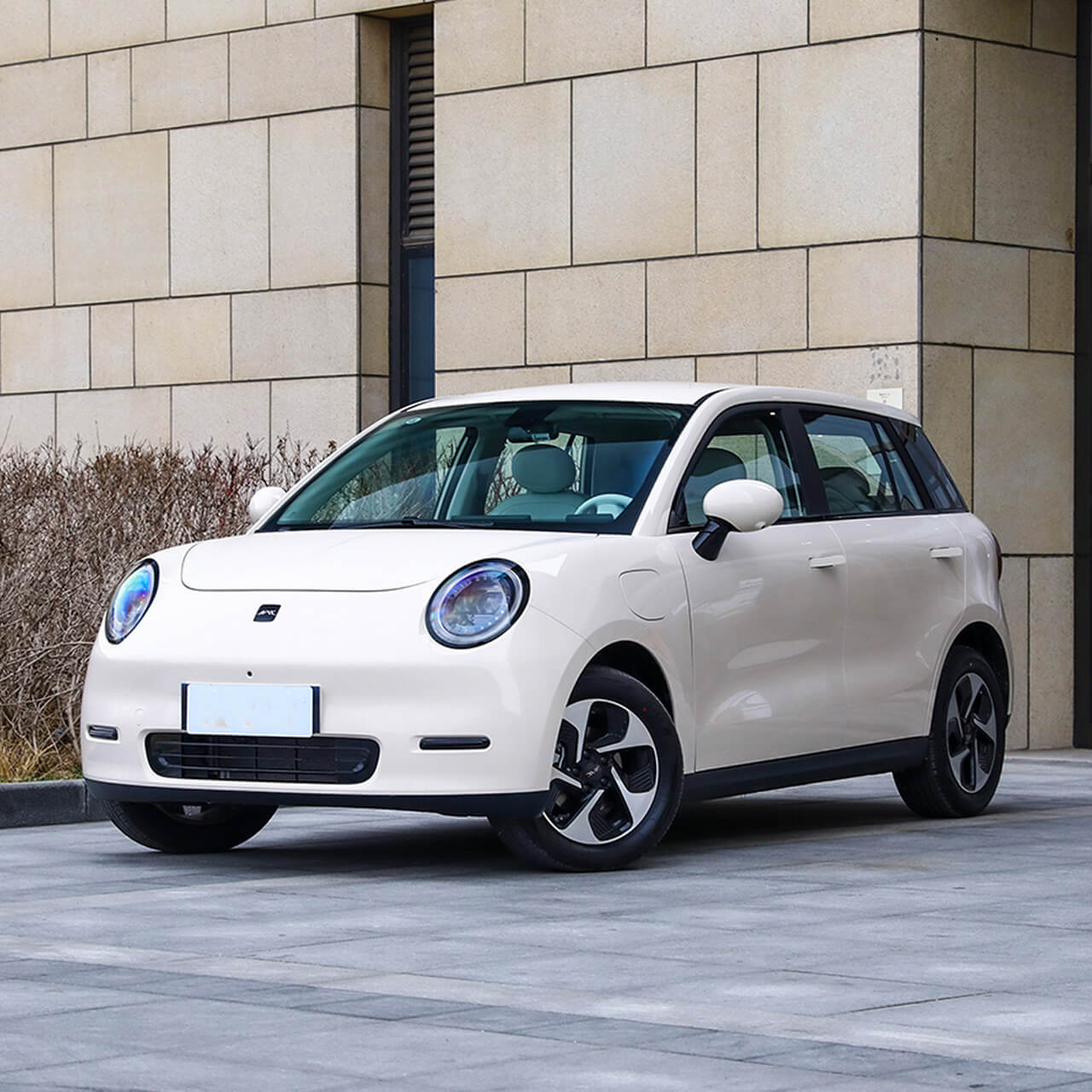
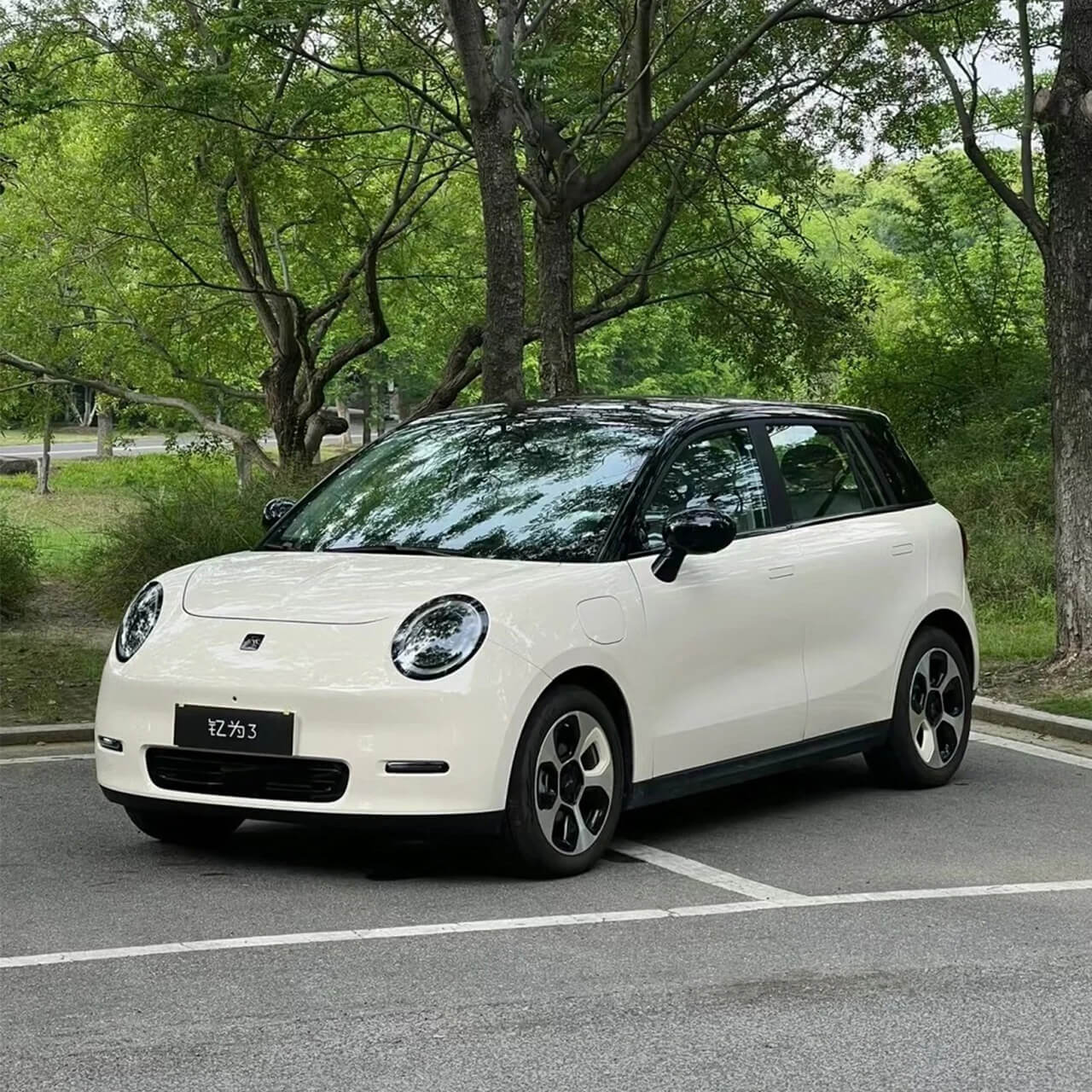
Specification
| Version | 330KM lite | 330KM Air | 405KM Lite | 405KM Air | 505KM Champion | 505KM PRO+ |
| Pure Electric Range(km)CLTC | 330 | 330 | 405 | 405 | 505 | 505 |
| Charging Time(h) | 0.58 | 0.58 | 0.5 | 0.5 | 0.5 | 0.5 |
| Fast charge (%) | 30-80 | 30-80 | 30-80 | 30-80 | 30-80 | 30-80 |
| Maximum power(kw) | 60(82Ps) | 60(82Ps) | 70(95Ps) | 70(95Ps) | 100(136Ps) | 100(136Ps) |
| maximum Torque(Nm) | 150 | 150 | 135 | 135 | 175 | 175 |
| Maxium speed(kw/h) | 135 | 135 | 150 | 150 | 150 | 150 |
| Curb Weight(kg) | 1270 | 1270 | 1365 | 1365 | 1445 | 1445 |
| Full load weight (kg) | 1645 | 1645 | 1740 | 1740 | 1820 | 1820 |
| Total motor power (kw) | 60 | 60 | 70 | 70 | 100 | 100 |
| Total motor horsepower (Ps) | 82 | 82 | 95 | 95 | 136 | 136 |
| Total motor torque (N·m) | 150 | 150 | 135 | 135 | 175 | 175 |
| Battery type | Lithium iron phosphate battery | Lithium iron phosphate battery | Lithium iron phosphate battery | Lithium iron phosphate battery | Lithium iron phosphate battery | Lithium iron phosphate battery |
| Battery capacity (kwh) | 34.5 | 34.5 | 41 | 41 | 51.5 | 51.5 |
| Tire size | 205/55 R16 | 205/55 R16 | 205/55 R16 | 205/55 R16 | 205/55 R16 | 205/50 R17 |
FAQ
Jac Yiwei 3: compare the 330, 405 and 505 km configuration groups
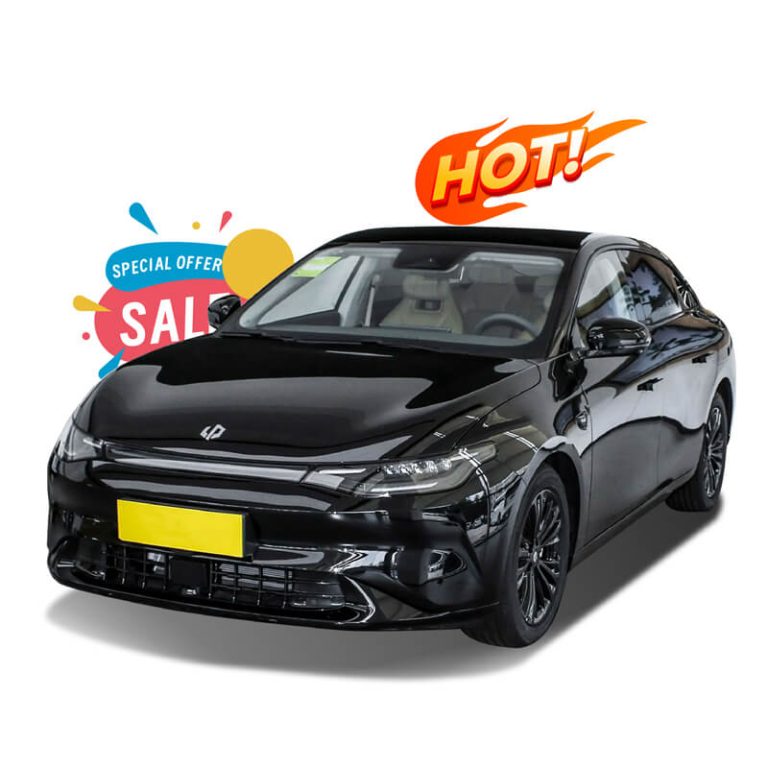
Jac Yiwei 3 is listed as a battery-electric passenger car with six version columns. The 330KM Lite and Air entries share a 34.5 kWh battery and 60 kW motor; the 405KM Lite and Air entries show 41 kWh and 70 kW; the 505KM Champion and PRO+ entries show 51.5 kWh and 100 kW. All columns describe lithium iron phosphate batteries. Choose a named version rather than quoting the largest range and lowest specification from different columns.
Separate the test-cycle range from a route estimate
The range row explicitly labels 330, 405 and 505 km as CLTC values. Those catalogue figures are not a promise of distance under a particular climate, load, speed or accessory demand. Confirm the battery and range documentation for the offered year and trim. For a fleet, give the daily route, likely passenger load and available charging stops so a practical assessment can be made without turning a test-cycle number into a delivery guarantee.
Compare power, torque and tires independently
The 330, 405 and 505 groups list torque as 150, 135 and 175 Nm respectively. A larger power figure is therefore not accompanied by a larger torque entry in every column. These isolated maxima should not be used to claim a measured acceleration improvement. Request the complete specification if that performance matters. The PRO+ column lists 205/50 R17 tires, while the other five list 205/55 R16, making the exact trim relevant to tire procurement and service planning.
Charging times are shown as 0.58 h for the 330 group and 0.5 h for the other groups, next to a 30-80% fast-charge interval. These entries should not be treated as 0-100% times. The table does not specify connector format, DC peak power, charger conditions or temperature. Obtain port photographs, AC/DC charging limits and the conditions behind the quoted interval before comparing the car with local charging infrastructure.
330 group
The published 34.5 kWh and 60 kW entries apply to the 330KM Lite/Air columns, not the 505 versions.
405 group
The 405KM Lite/Air columns list 41 kWh and 70 kW. Verify the actual equipment difference between the two trims.
505 group
Champion/PRO+ list 51.5 kWh and 100 kW; PRO+ has a different tire-size entry from the other columns.
Yiwei 3 range and charging questions
Is 505 km a guaranteed daily driving distance?
No. It is the published CLTC value for the 505 group. Actual route performance needs separate assessment, and the exact battery version must be verified.
Does the half-hour entry mean a full charge?
No. The adjacent fast-charge interval is 30-80%. Connector type, power limits, test conditions and charging availability are additional checks.
Electric passenger-car compliance background
UNECE vehicle regulations are a starting point for approval questions, while the International Transport Forum provides wider road-transport information. Neither source establishes this car’s body subtype, charging compatibility or eligibility in the buyer’s jurisdiction.