

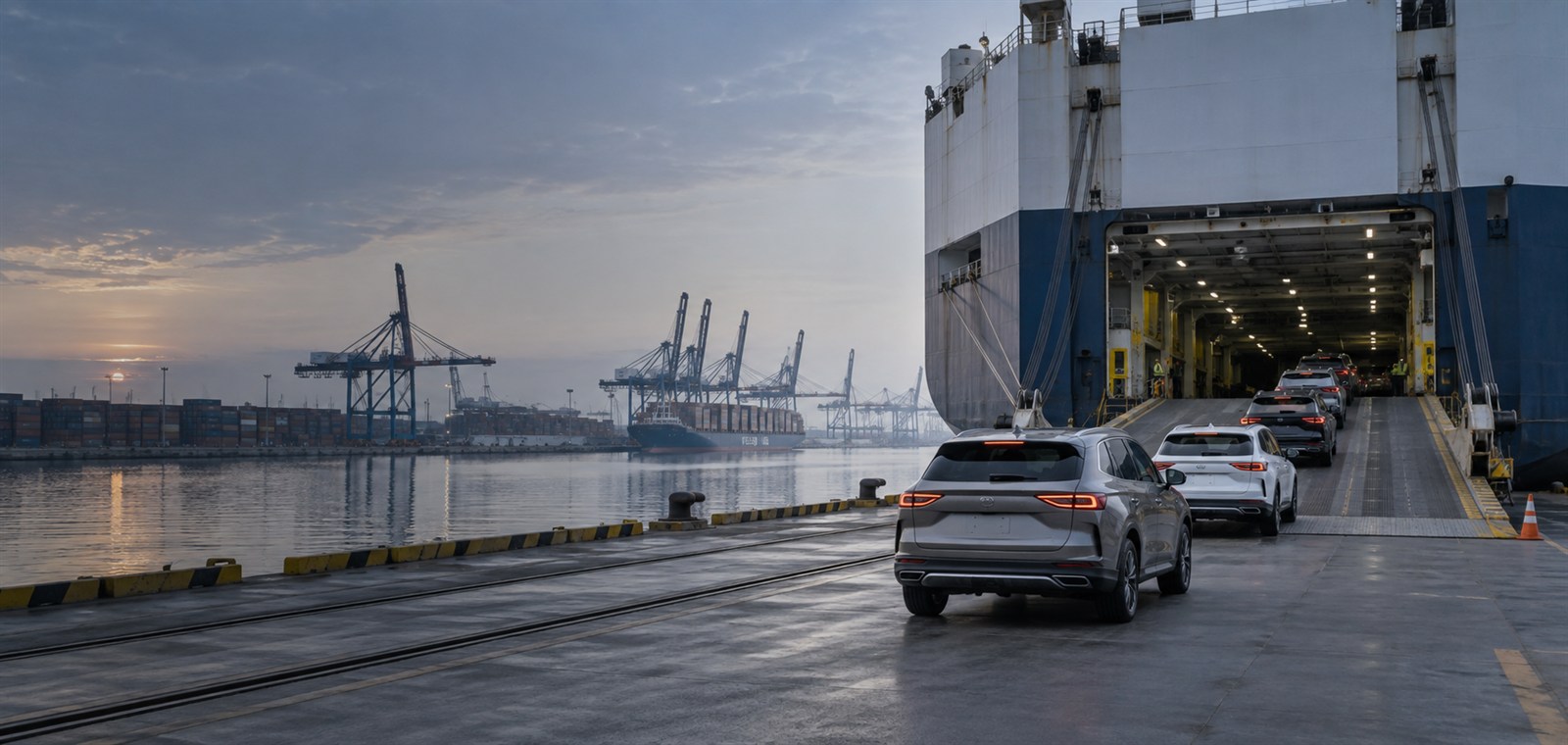
RoRo vs Container Shipping Cars from China: Which Method Should Importers Choose?
Choose a route that the carrier can accept and the buyer can manage from loading to release.
On This Page
Choose the Shipping Method by Route, Vehicle and HandoverRoRo vs Container: What Changes for the Importer?Check the Route, Ports and Real Sailing Schedule FirstGet Written Vehicle Acceptance Before Paying for FreightCompare the Complete Transport Cost, Not One Freight NumberPlan Loading, Securing and Handover EvidenceSeparate the Shipping Method From Trade Terms and InsuranceMake the VIN and Documents Follow the Same ShipmentPrepare Destination Release Before the Vessel SailsThree Booking Scenarios That Change the AnswerBuyer Checklist Before Confirming the BookingFrequently Asked Questions
Choose the Shipping Method by Route, Vehicle and Handover
RoRo and container shipping can both move cars from China, but neither is the automatic winner. The right choice is the one a carrier will accept for the exact vehicles, on a workable sailing to the destination, with a total cost and handover process the buyer understands. A low ocean-freight line is not useful if the vehicle is refused at the terminal or the destination port cannot release it efficiently.
RoRo, short for roll-on/roll-off, normally moves a drivable vehicle through a vessel ramp into a designated vehicle space. Container shipping places one or more vehicles in a cargo transport unit, with loading and securing arranged before the container is sealed. Those different handling chains affect available ports, booking evidence, cargo protection, local charges and who can inspect the vehicle at each handover.
This guide is for overseas dealers, importers and fleet buyers comparing an actual shipment—not for guessing a universal price per car. If the purchase itself is still being arranged, begin with our step-by-step guide to importing cars from China. Here, the decision starts after the model, quantity, destination and provisional shipping window are known.
RoRo vs Container: What Changes for the Importer?
The comparison is operational rather than a promise that one method is always cheaper or safer. Ask the forwarder to quote the same origin, destination, vehicle list and delivery point under both options. Then check the assumptions behind each offer.
| Buyer decision | RoRo | Container |
|---|---|---|
| Physical movement | Vehicles are driven through vessel ramps and handled individually at vehicle terminals. | Vehicles are loaded, secured and sealed in a container, then moved as a transport unit. |
| Route fit | Depends on suitable car-carrier sailings and vehicle-handling terminals at both ends. | Depends on container service, accepted cargo, stuffing arrangements and a place to unstuff at destination. |
| Handling evidence | Record condition at release, terminal acceptance and destination collection. | Record condition before stuffing, securing, seal number and condition at opening. |
| Cost questions | Check terminal handling, storage, vehicle movements and destination release fees. | Check container size, loading and lashing, drayage, demurrage, detention and unstuffing. |
| Vehicle constraints | The unit usually must meet the carrier’s driveability, condition and fuel or battery rules. | Dimensions, weight, safe securing points and cargo classification must fit the container plan. |
A container can offer a more controlled chain of custody when the loading site, seal and unloading site are well documented. RoRo can avoid a separate stuffing and unstuffing operation. Neither statement eliminates damage or delay risk. The buyer should compare the actual providers, not only the method names.
Check the Route, Ports and Real Sailing Schedule First
Ask for the named port of loading, port of discharge, carrier, planned vessel or service, transit points and expected dates. A quoted sailing is not a confirmed booking. For a dealer with a launch date or a fleet buyer facing project deadlines, the relevant measure is the likely date the vehicles can be collected after customs and terminal release, not just the sea transit time.
RoRo requires suitable vehicle access at both ends. A port may receive container ships yet lack a useful car-carrier call, or the available RoRo sailing may discharge far from the buyer’s inland market. Container services may reach more port pairs, but transshipment, container availability and destination unstuffing can add steps. Compare the full path from vehicle location in China to the place where the buyer will take custody.
- Is the service direct, or does it involve transshipment?
- Can the destination terminal handle the selected vehicle and chosen mode?
- When must the vehicle or container reach the origin terminal?
- Who arranges inland trucking, port entry and destination collection?
- What happens if the proposed sailing is missed?
For multi-unit orders, agree whether every car must depart together or whether split shipments are acceptable. A buyer managing several models should also confirm whether the carrier will accept the mix under one booking and whether each vehicle can be traced by VIN.
Get Written Vehicle Acceptance Before Paying for Freight
Carrier acceptance is not implied by a supplier saying that the vehicle is exportable. Provide the forwarder or carrier with the model, VINs when allocated, powertrain, new or used status, dimensions, weight, damage history and current operating condition. Ask which details must be declared at booking and which supporting records are required before terminal delivery.
A car that cannot start, steer or brake normally may not qualify for ordinary RoRo handling. A modified, damaged or very high vehicle may need a different handling plan. For a container, confirm door clearance, load distribution, lashing points and the proposed number of vehicles per unit. Do not assume a generic “two cars in a 40-foot container” plan fits a particular SUV or van.
Electric and other alternative-fuel vehicles need special attention. The IMO’s current IMDG Code governs dangerous-goods carriage, while a carrier can impose its own acceptance instructions for a particular service. For example, published carrier instructions for used alternative-fuel vehicles distinguish among powertrains and require condition evidence. These are carrier-specific instructions, not a rule for every ship. Obtain written approval for the exact vehicle, mode, voyage and required battery or fuel state; do not rely on a universal percentage repeated in a sales chat.
The physical condition does not establish legal status. A low-mileage vehicle may already have Chinese registration history. Review our guide to new versus zero-mileage used cars before the booking description and documents are finalized.
Compare the Complete Transport Cost, Not One Freight Number
Request both quotes in the same currency, validity period and shipment size. State whether the buyer wants a port-to-port comparison or a broader origin-to-destination estimate. Include a named place for collection and a named place for delivery. A quotation labeled “shipping” may exclude expensive steps at one end of the route.
| Cost or responsibility | Question for the quote | Why it matters |
|---|---|---|
| Inland movement in China | From which vehicle location to which terminal or stuffing site? | Long domestic legs can change the comparison. |
| Origin handling | Who pays port entry, terminal charges, loading or container stuffing and lashing? | The method changes the work performed before sailing. |
| Ocean carriage | What service, surcharges and quote validity are included? | A rate is meaningful only for a defined booking window. |
| Destination handling | Who pays release, terminal, unstuffing, storage and local transport? | Charges after arrival may be outside the seller’s quote. |
| Insurance and delay | What cover, deductible, storage, demurrage or detention exposure applies? | A cheap base rate can carry a costly exception. |
For a small trial order, the buyer may value a workable schedule and accountable handling more than a theoretical per-unit rate. For a dealer buying several vehicles, consolidating suitable units may alter container economics, but only if the stuffing, securing and destination operations are feasible. Our dealer wholesale sourcing guide covers the earlier stock and order-planning decisions.
Verify who is actually issuing the quotation and booking, and make the contracting and payment entities consistent. The exporter verification guide explains why a plausible offer alone is not proof of execution capability.
Plan Loading, Securing and Handover Evidence
For RoRo
Record each VIN and the vehicle’s condition before it leaves the supplier or inspection site. Agree who drives it to the terminal and who signs the handover record. Obtain dated photos of all sides, glass, wheels, interior, odometer and any existing marks. Confirm keys, accessories and removable items with a signed inventory. The terminal and carrier may have their own condition-report process; ask what proof the buyer will receive and when.
For a container
Ask where the container will be stuffed, who supervises the operation and how the vehicles will be positioned and secured. The IMO/ILO/UNECE CTU Code provides guidance on packing and securing cargo transport units, and Maersk’s vehicle-loading guidance discusses lashing vehicles to suitable securing points. The actual plan still needs to fit the vehicle and equipment in use.
Request pre-loading condition photos, a loading sequence, images showing the restraint arrangement, container number and seal number. If the vehicle touches the container wall or the door cannot close with safe clearance, the loading plan is not acceptable simply because the quoted capacity looked attractive. At destination, photograph the intact seal before opening and the vehicle before moving it. Keep an unbroken evidence trail for damage review.
Separate the Shipping Method From Trade Terms and Insurance
RoRo and container describe how cargo moves. EXW, FCA, FOB, CIF and other trade terms allocate obligations and risk between buyer and seller. A container can be booked under more than one commercial term; a RoRo shipment does not automatically include insurance. The contract should name the chosen rule, place or port and the party responsible for each operation.
Do not assume that a CIF quotation means the seller bears transit risk until the car reaches the destination port. The International Chamber of Commerce explains that under CIF, risk normally transfers when goods are placed on board at the shipment port, while the seller arranges carriage and insurance to the named destination. ICC also recommends considering FCA for containerized or multimodal movements where delivery occurs at a terminal rather than directly on board. Our FOB, CIF and EXW buyer guide treats these commercial choices in depth.
Ask for the policy or certificate, insured value, covered risks, exclusions, deductible, claims contact and evidence deadline. Check whether inland movement, terminal handling, transshipment and destination unloading are included. If coverage begins only after a certain handover, photographs taken before that point remain important for identifying when damage occurred. A buyer should agree the claim procedure before sailing, not after finding a scratch at release.
Make the VIN and Documents Follow the Same Shipment
Keep one master vehicle list showing VIN, model, trim, powertrain, status, color and destination. Compare it with the purchase contract, commercial invoice, packing or vehicle list, booking instructions, export paperwork and draft transport document. A mismatch discovered after the carrier has issued the bill of lading or sea waybill can delay release and create avoidable amendment costs.
For container freight, also match the container and seal numbers with the stuffing record and transport document. For RoRo, ask how each VIN is identified in the booking and on the issued document. Confirm consignee and notify-party details with the destination broker before the draft is approved. The broker should also say whether originals, telex release or electronic documents are acceptable for that particular shipment.
Our China vehicle export documents checklist covers the broader document chain. Some recently registered vehicles may have extra requirements under the 180-day vehicle export rule; confirm eligibility before promising a shipping date. Buyers should also review the current export policy guide for the vehicle’s actual category and export route. Shipping space does not cure an incomplete legal export file.
Prepare Destination Release Before the Vessel Sails
Ask a local customs broker to confirm import eligibility, taxes, required certificates, clearance procedure and the intended receiving location. Then ask the destination agent for the practical release steps: arrival notice, document submission, payment of terminal charges, inspection appointment and permitted time before storage or equipment-related fees begin. These details vary by port and service.
A RoRo vehicle may be collected from a vehicle terminal after the necessary release steps. A container may first have to move to a depot or approved unloading site, then be returned within the equipment terms. Do not assume either operation is included in an ocean freight rate. If the buyer plans onward trucking, confirm that the receiving site can accept the vehicle dimensions, keys and any special handling requirements.
At collection, reconcile VINs and quantities, record apparent condition before driving away, and note any seal issue or visible damage in the receiving record. Tell the insurer and carrier promptly under the applicable policy and carriage terms. The goal is a documented handover, not an argument over whether a defect appeared before or after customs release.
Three Booking Scenarios That Change the Answer
One or two dealer trial vehicles
The buyer wants a predictable arrival and has a local agent who can open a container. If container service is frequent and a competent loading team is available, that option may be attractive. If the destination has a convenient RoRo call and destination fees are lower, RoRo may still be preferable. Compare complete quotes and the actual handover points.
A larger, uniform fleet order
The buyer has dozens of drivable vehicles moving to a vehicle terminal. RoRo may simplify repeated individual loading, but space, sailing dates, vehicle dimensions and destination capacity still need confirmation. If the order is split over several sailings, agree VIN allocation and delivery milestones before dispatch.
A used or alternative-fuel vehicle
Do not choose a shipping mode from price alone. Ask both candidate carriers for written acceptance of the exact vehicle and condition. If one rejects it, a different route may be possible, but reclassification, undeclared damage or unsupported battery statements are not solutions. These examples illustrate decisions, not a guarantee that either mode is available on every route.
Buyer Checklist Before Confirming the Booking
- List exact vehicles and VINs, or the agreed VIN-allocation deadline.
- Confirm destination importability and a local release agent.
- Obtain written carrier acceptance for vehicle type, condition and powertrain.
- Compare the same origin, destination, shipment window and scope under both methods.
- Identify every inland, terminal, loading, lashing, ocean and destination charge.
- Approve the named trade term, risk point and insurance coverage.
- Agree condition photos, keys, accessories and handover records.
- Check the document draft against the master VIN list.
- Record the plan if a sailing is missed or a vehicle is rejected.
- Confirm who authorizes final payment and when shipping evidence is due.
Make the decision in writing and keep the quote, booking confirmation, vehicle records and insurance documents together. The best shipping method is the one that can be executed and audited for this shipment—not the one with the shortest label on a quotation.
Frequently Asked Questions
Is RoRo always cheaper than container shipping from China?
No. Compare the full route, order size, sailing availability, terminal fees, loading work, destination charges and insurance. A lower ocean rate can still produce a higher total cost.
Can a single car be shipped in a container?
It may be possible if the carrier accepts the vehicle and a competent operator can load, secure and unload it safely. Confirm dimensions, costs and destination facilities before booking.
Can an electric car travel by RoRo or container?
Possibly, but acceptance depends on the exact vehicle, its condition, the current maritime rules and the carrier’s instructions for that voyage. Obtain written approval and required declarations before paying for freight.
Does CIF mean the seller carries the risk until arrival?
Not normally under Incoterms 2020. Under CIF, the seller arranges freight and insurance to the named destination, but risk generally passes when the goods are placed on board at the shipment port. Check the contract and insurance terms.
What evidence matters if a vehicle arrives damaged?
Keep dated pre-loading photos, terminal or stuffing records, VIN and seal details, the transport document, arrival condition photos and a prompt written exception on the receiving record. Follow the policy and carrier claim deadlines.
When should the importer decide between RoRo and container?
Compare both methods once the model, quantity, vehicle status and destination are known, but do not finalize the booking until export eligibility, carrier acceptance, costs and the destination release plan are confirmed.