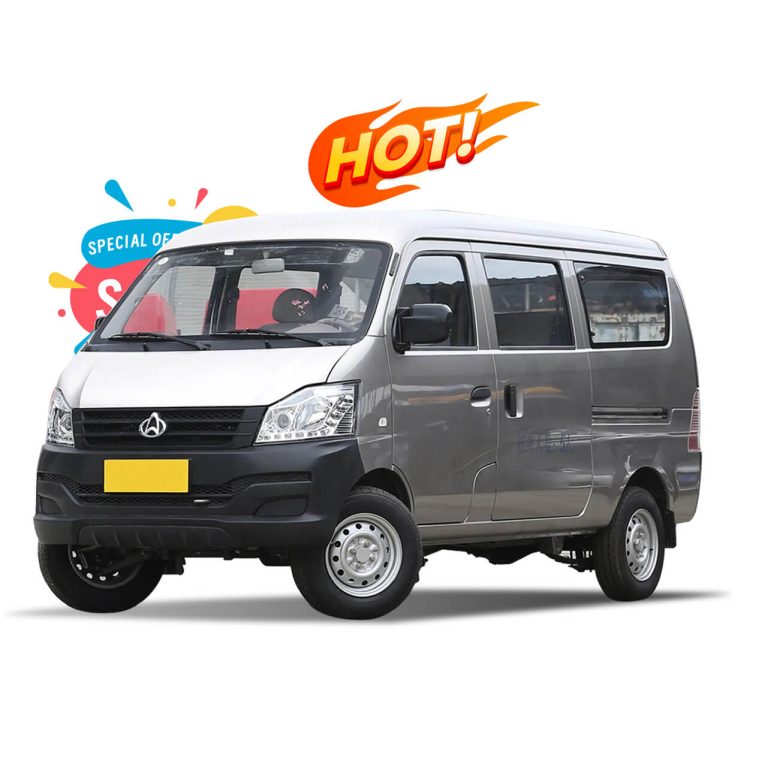
Changan Kuayue V7 EV
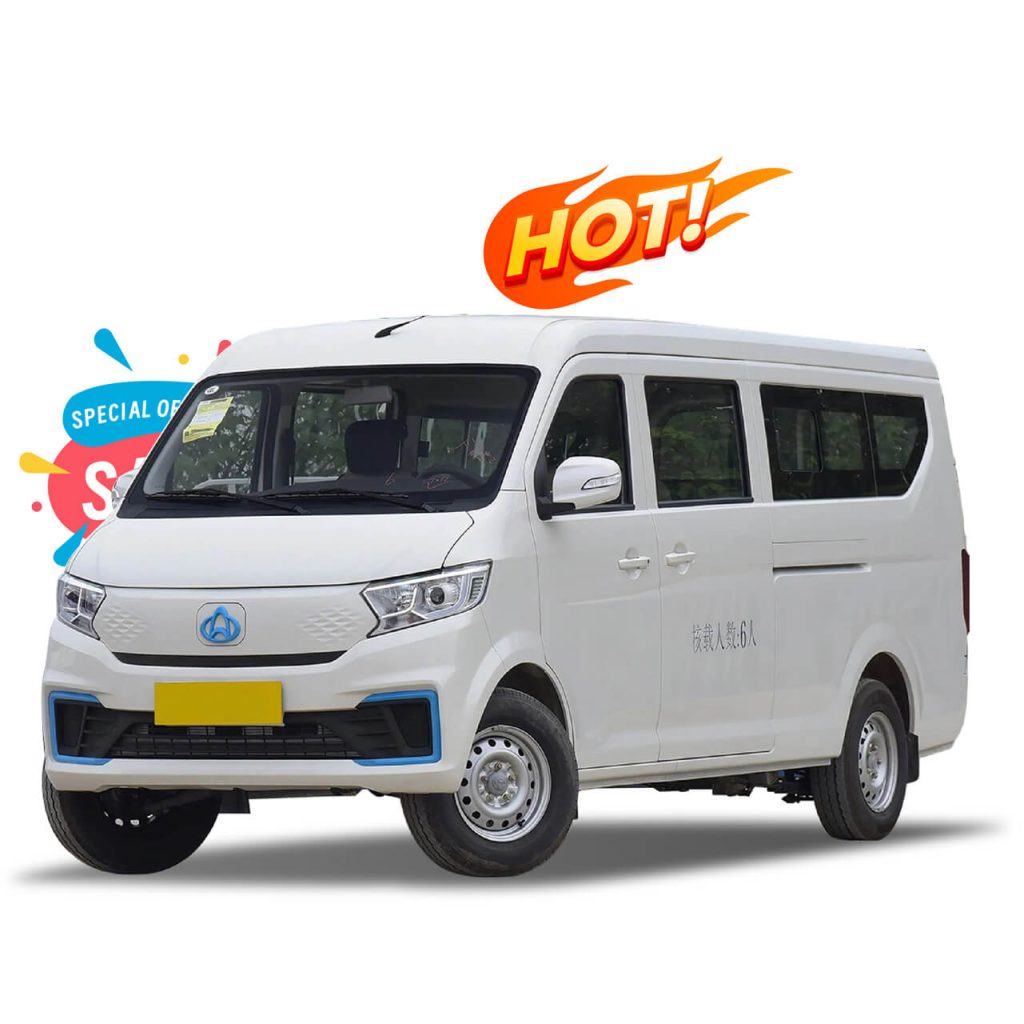
Changan Kuayue V7 EV lists a CATL 50.23 kWh battery, 32/60 kW motor power and a 4800 mm body length. Resolve the displayed seat code, actual steering configuration and charging hardware before choosing it for passenger transport or delivery work; the table does not establish loaded driving range.
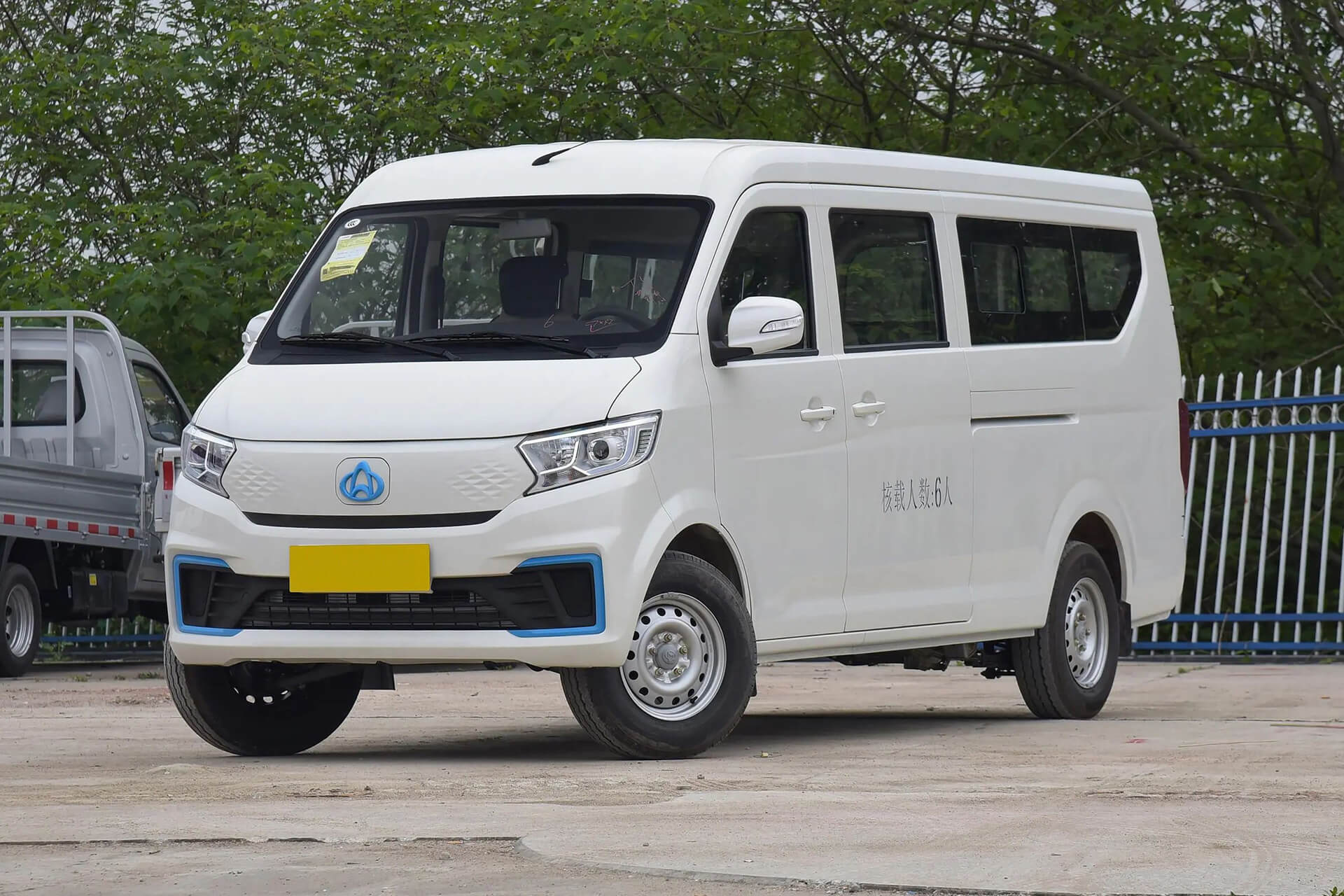
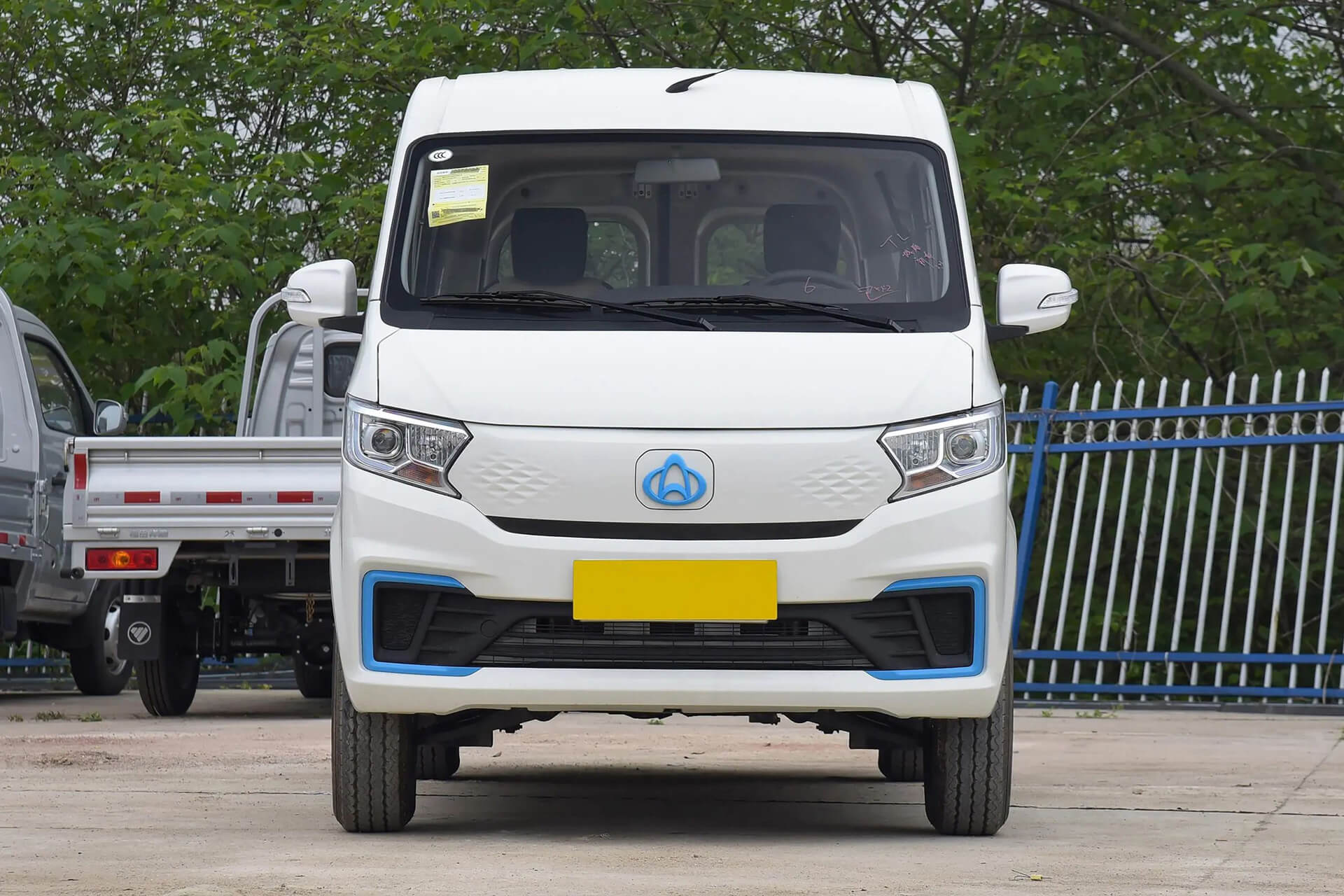
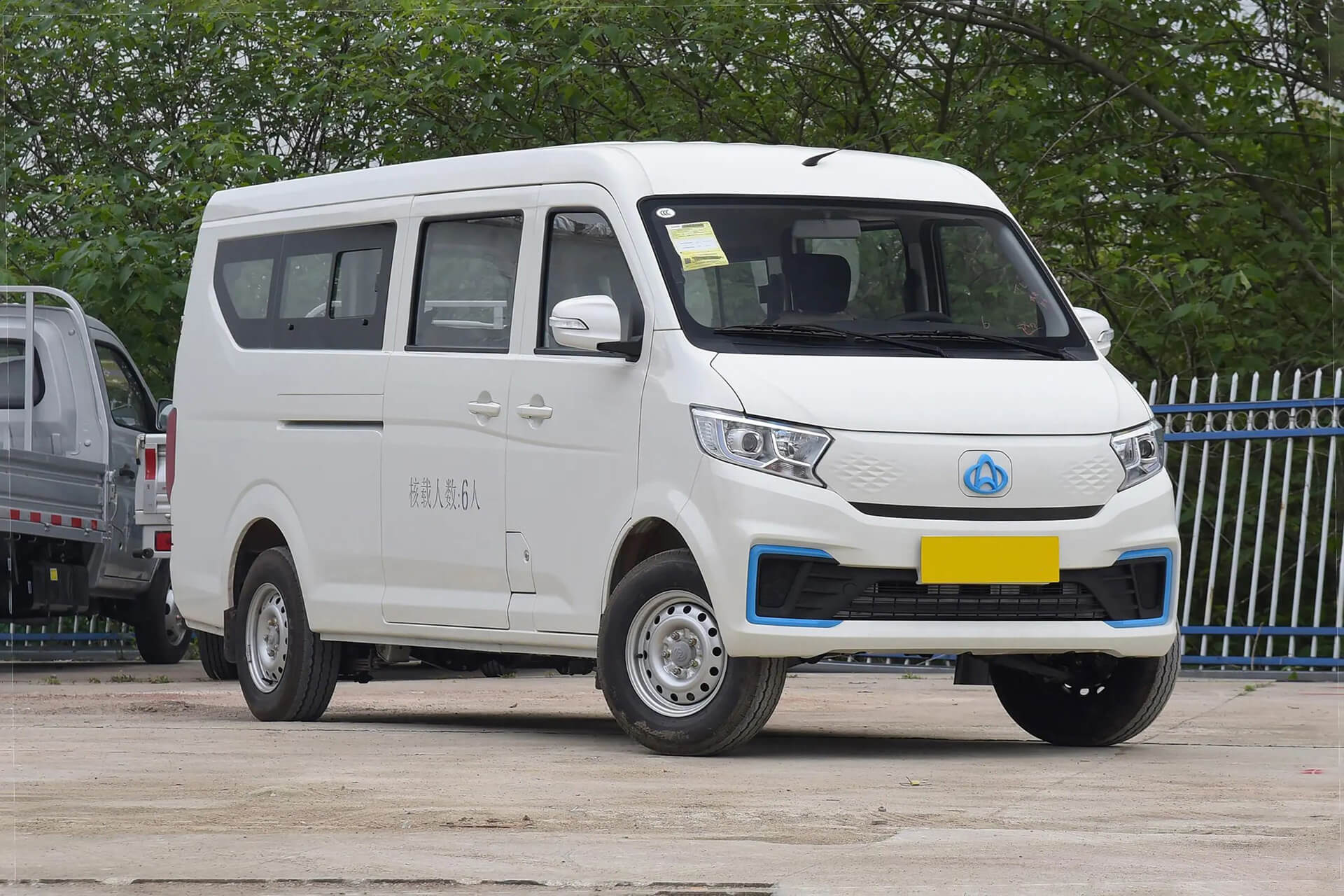
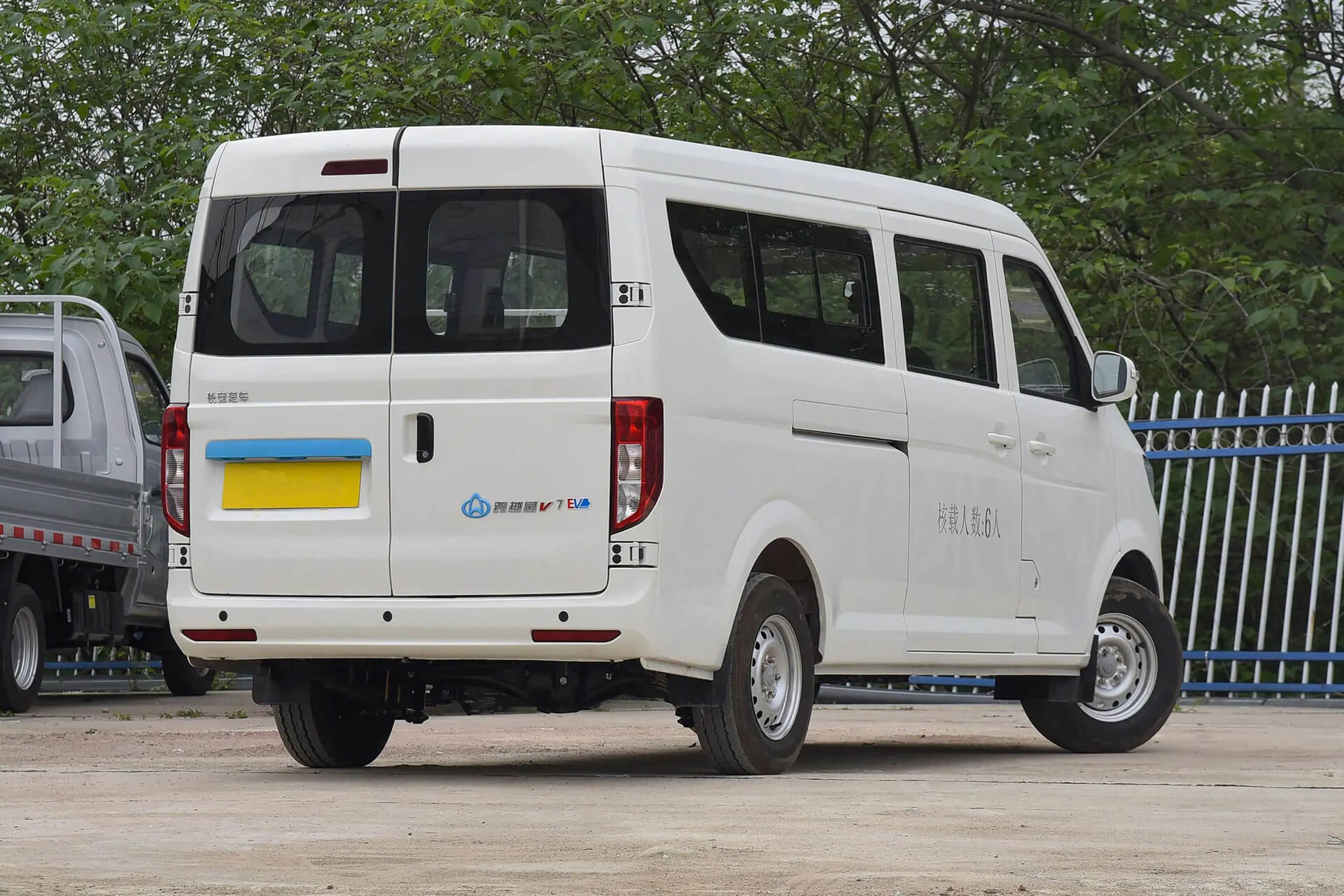
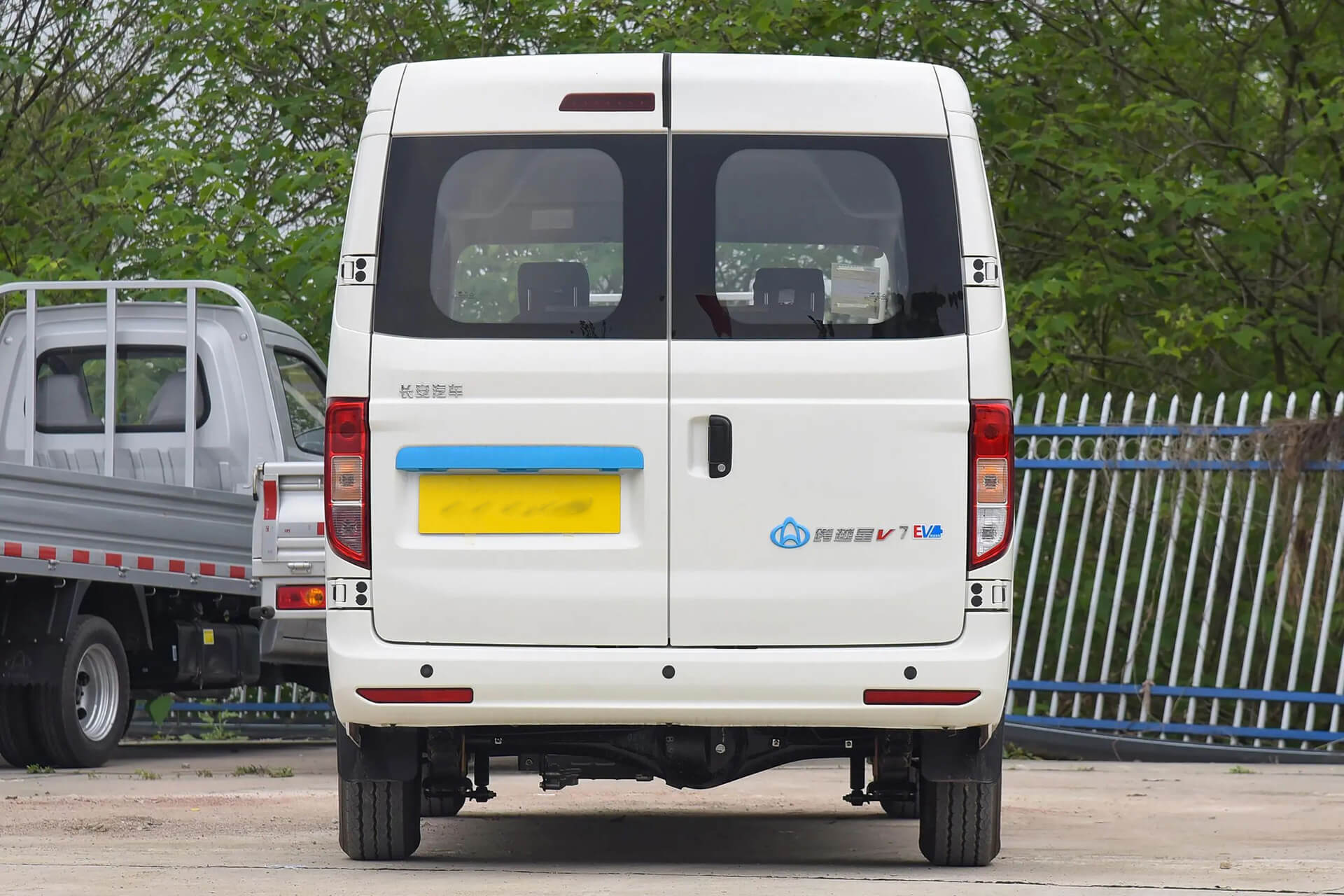
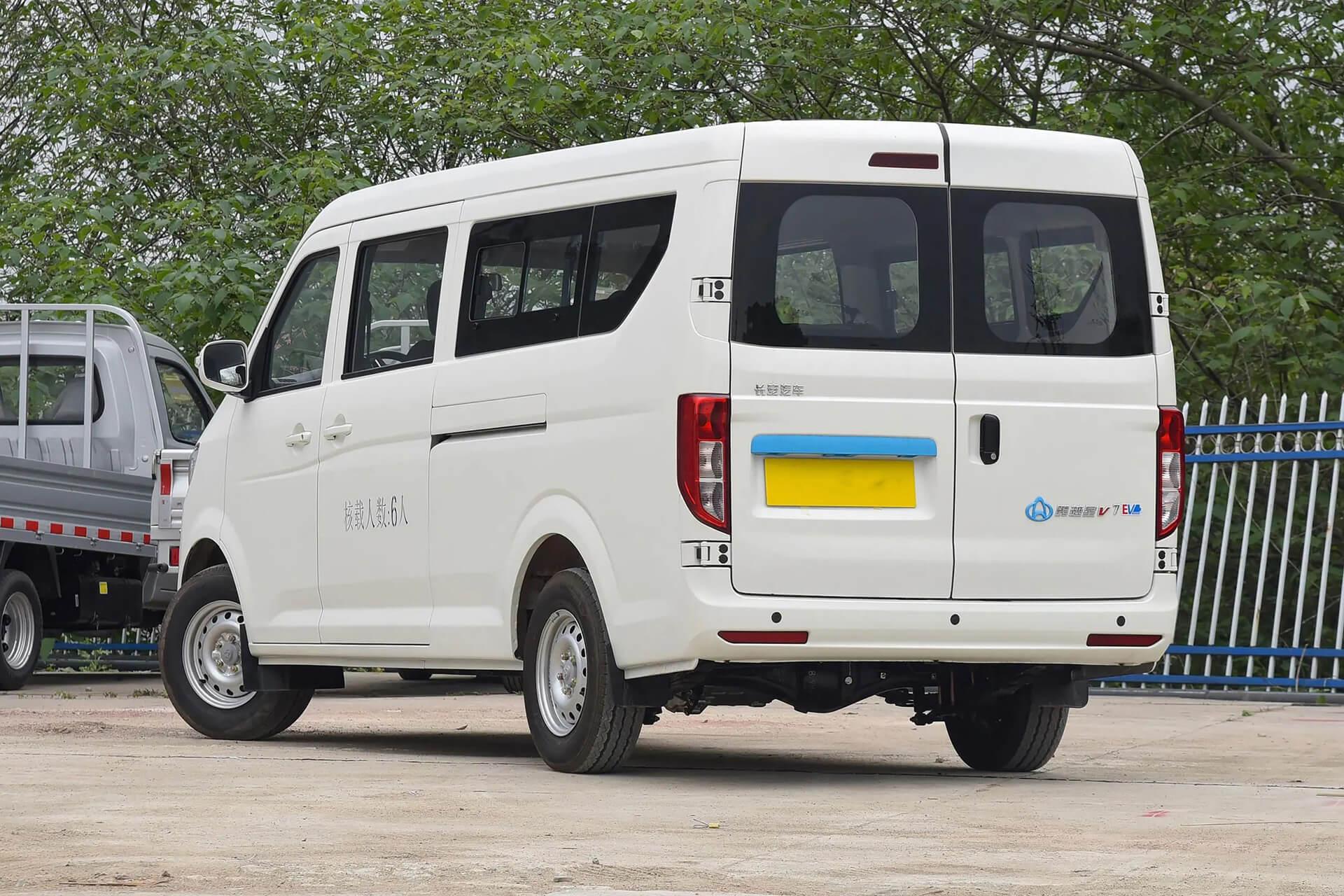
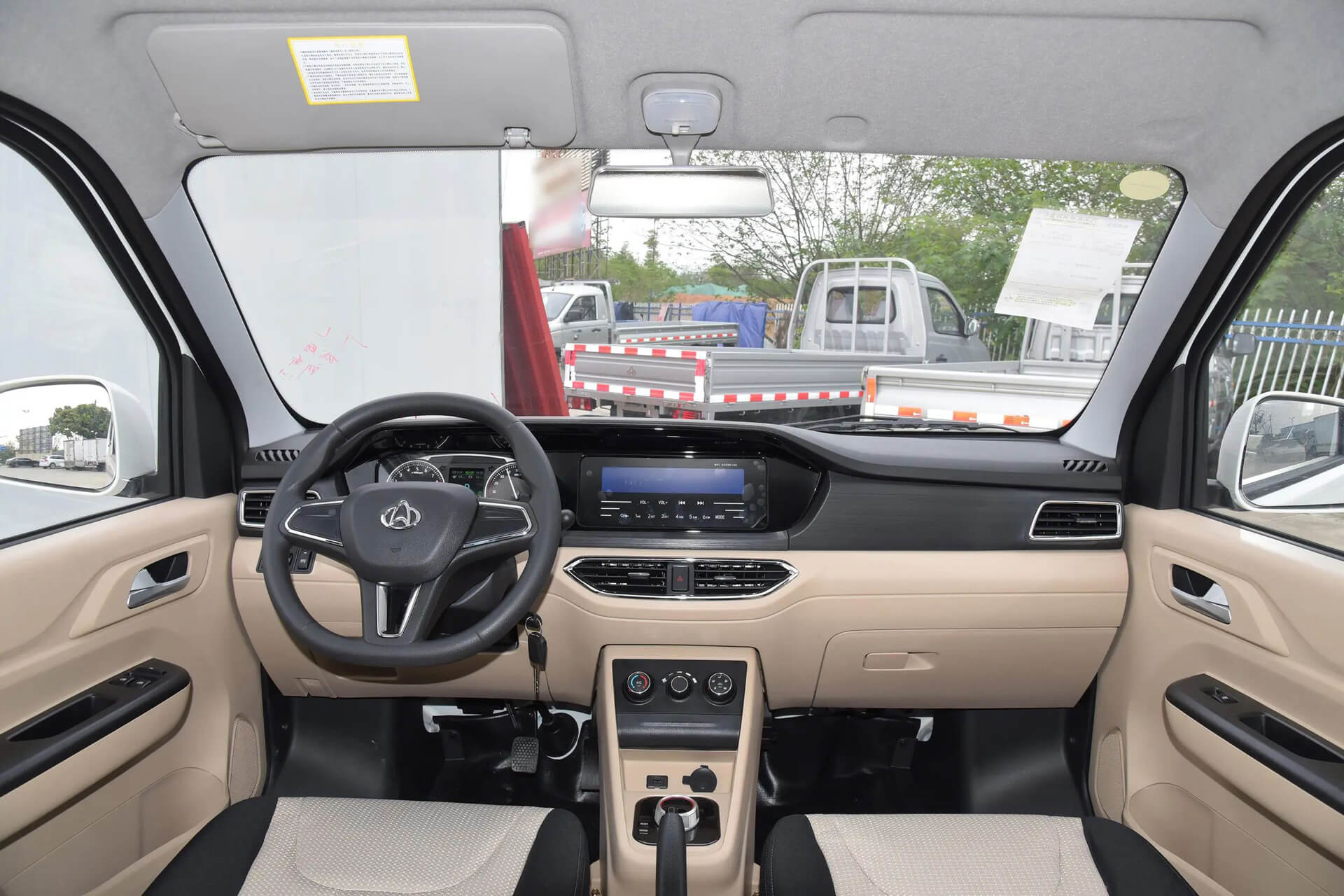
Products Description
Specification
| Model | V7 EV | ||||||||||||||
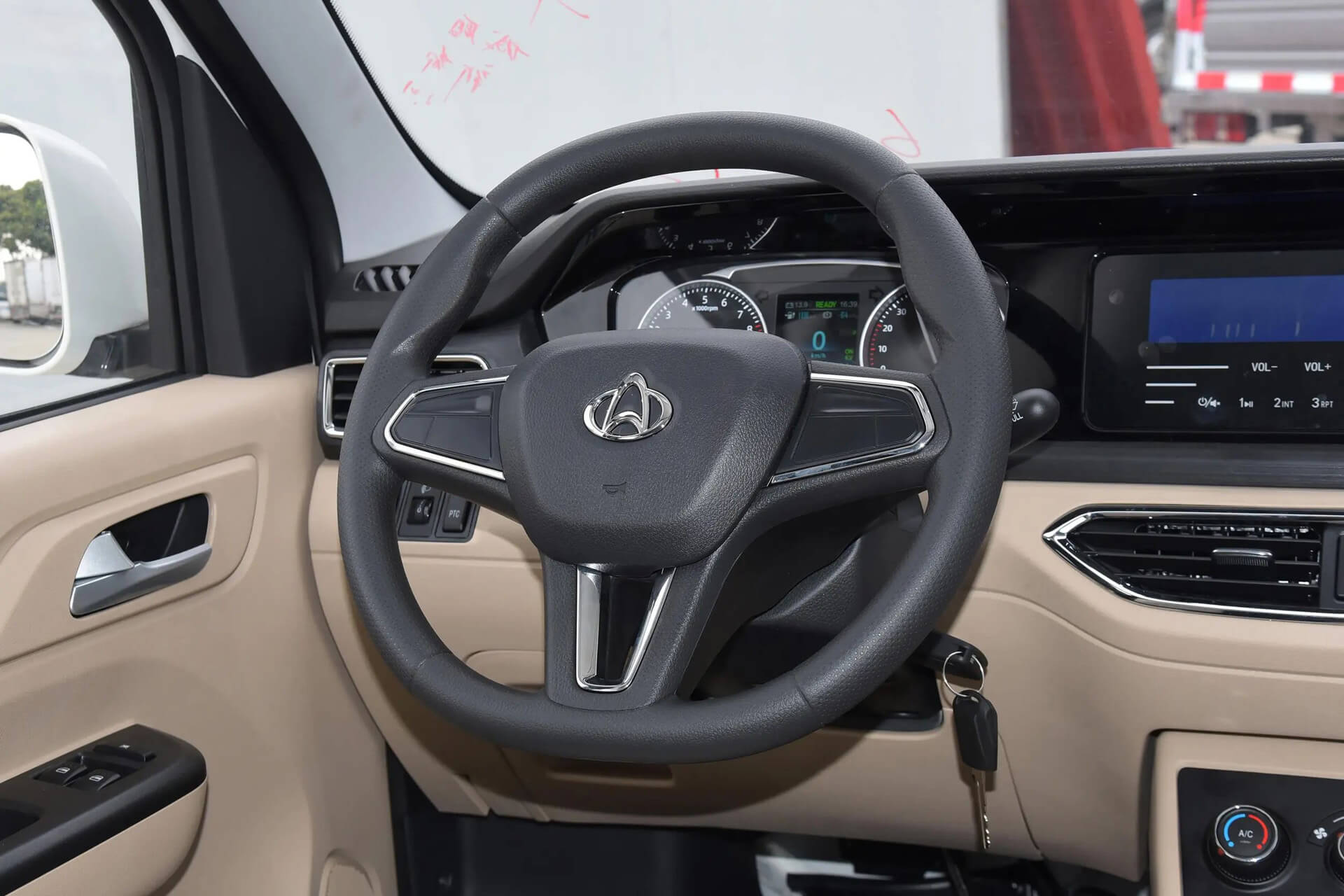
| Driving direction | LHD+RHD | ||||||||||||||
| Dimension(mm) | 4800*1680*1990 | ||||||||||||||
| Wheel base(mm) | 3135 | ||||||||||||||
| Battery power(Kwh) | CATL 50.23 | ||||||||||||||
| Drive motor | TZ180XS000 | ||||||||||||||
| Rated/Maximum power(KW) | 32/60 | ||||||||||||||
| Maximum Torque(N.m) | 220 | ||||||||||||||
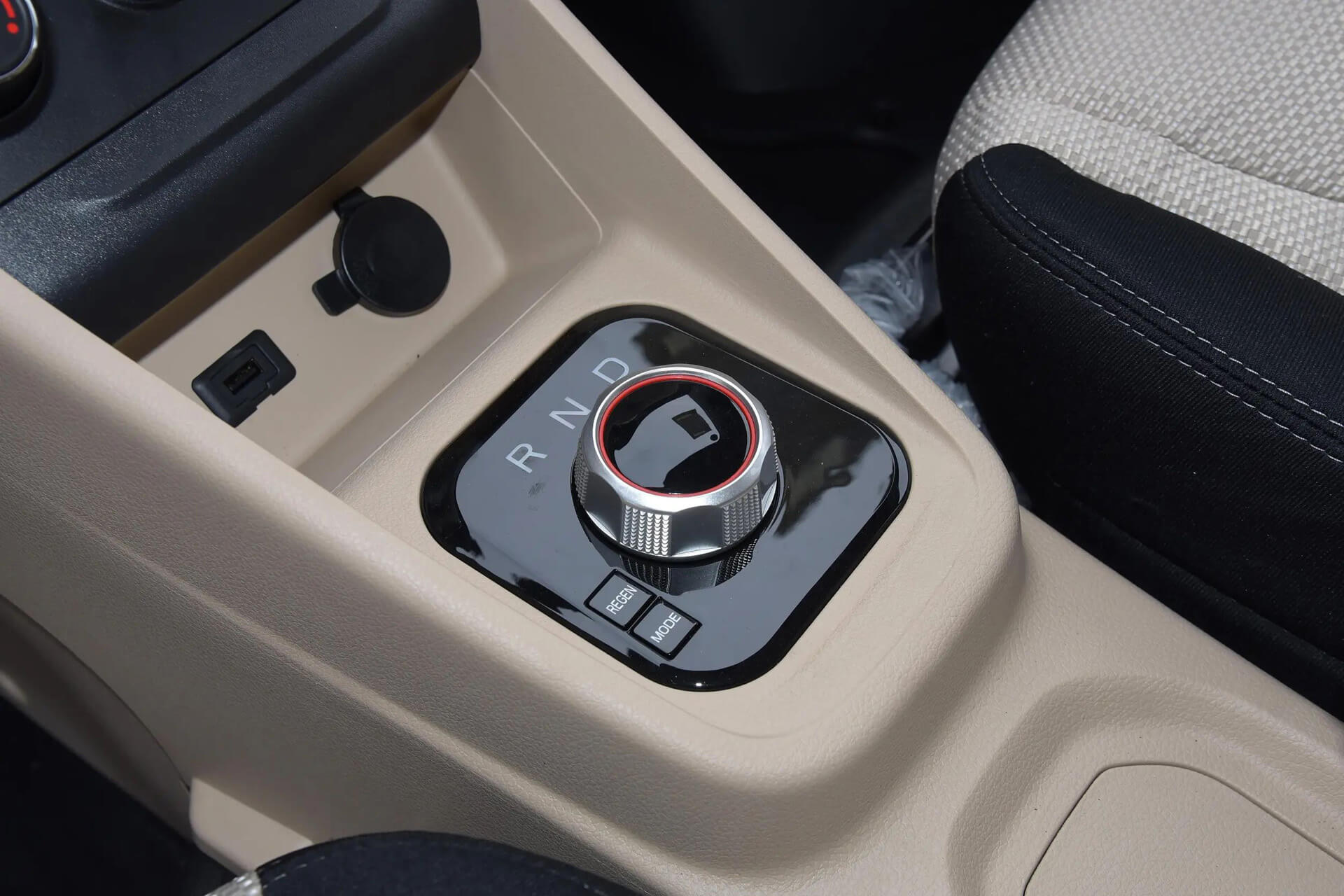
| Fuel category | Pure electric | ||||||||||||||
| Charging power(kw) | 6.6(GB)/6.6(CCS 2) | ||||||||||||||
| Frame | Non-separate frame | ||||||||||||||
| Seats | 02/11/14 | ||||||||||||||
| Tire | 195/65R15,Single rear tire | ||||||||||||||
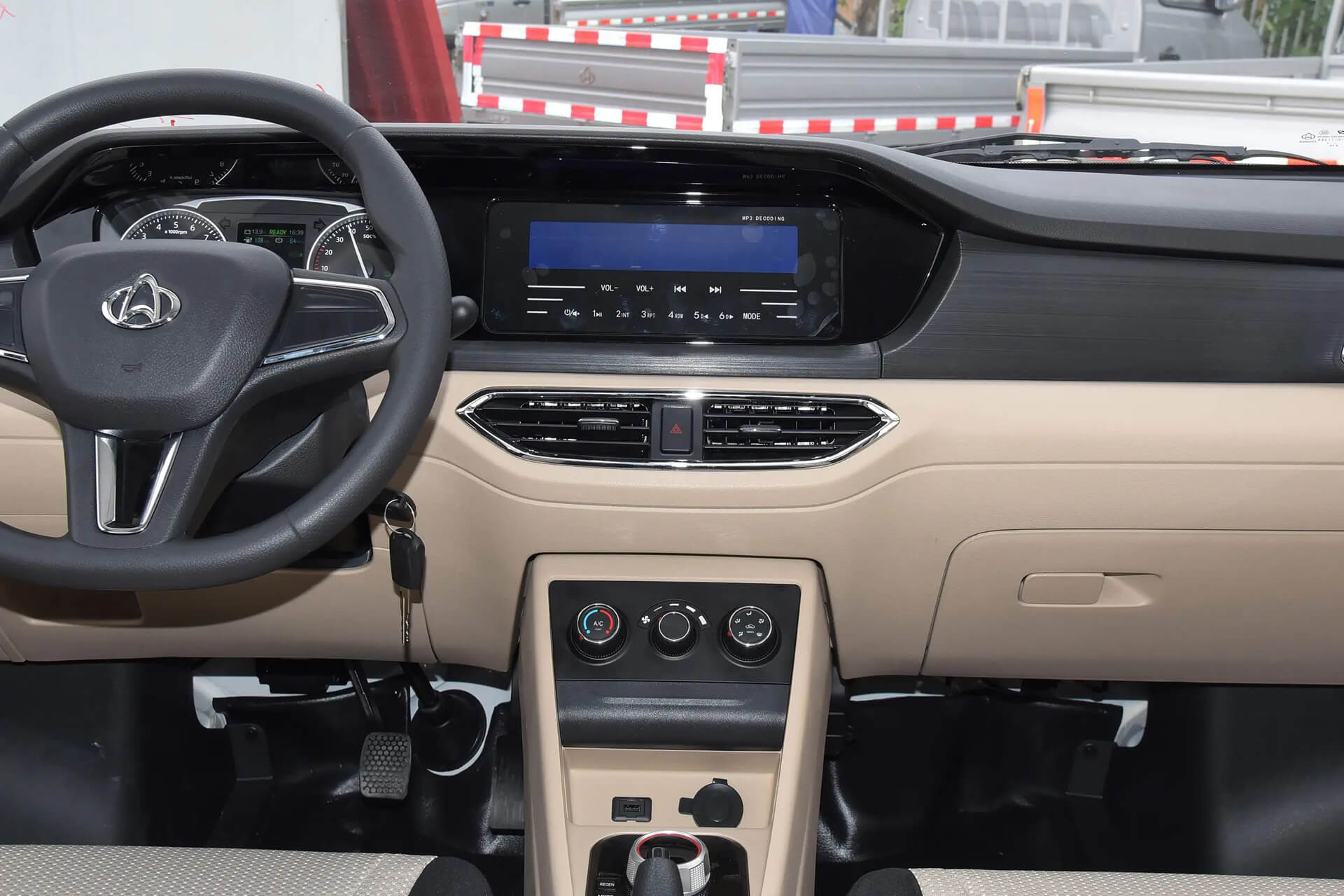
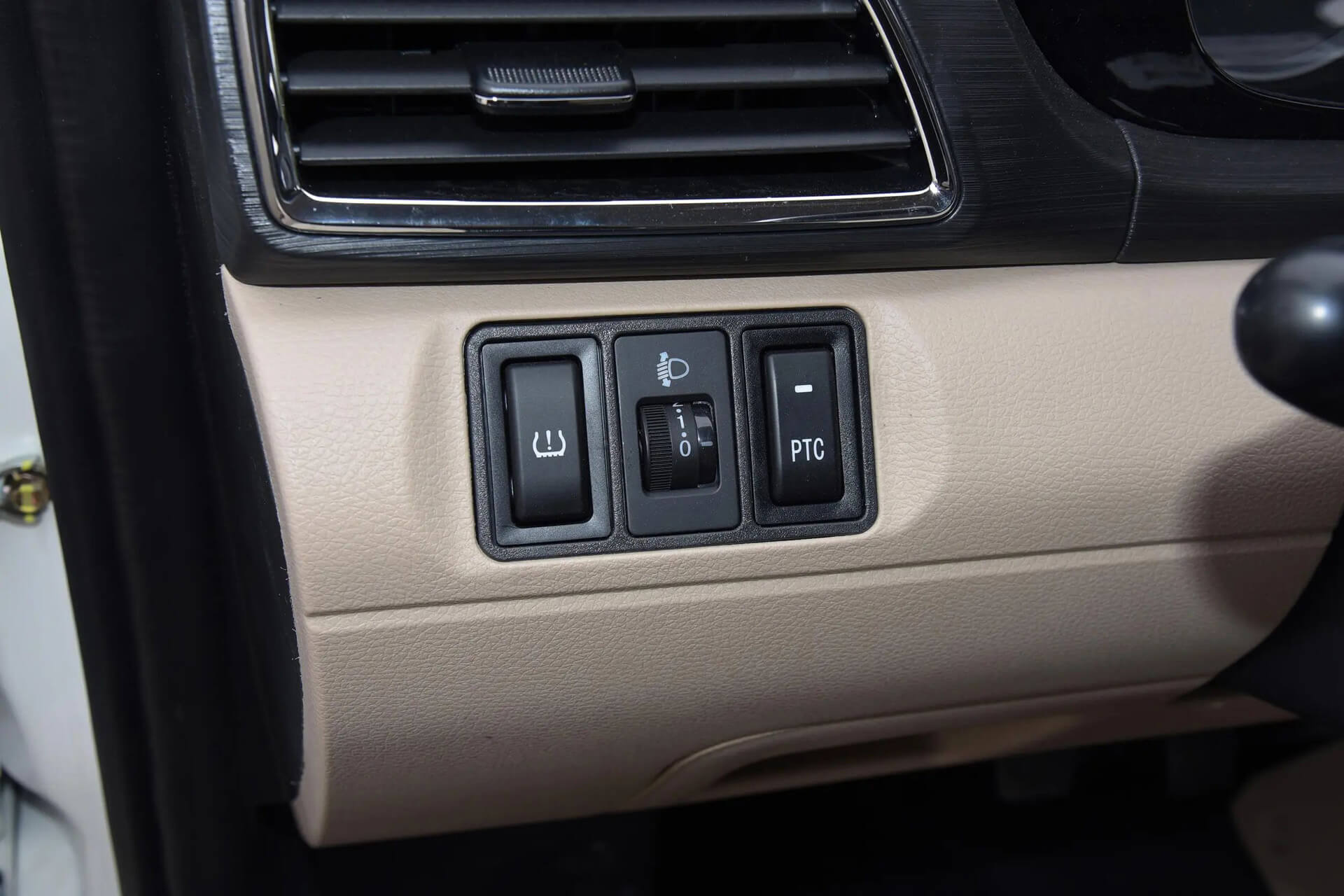
| Baisc configuration | Front independent suspension,EPS,ABS,DRL,MP3 | ||||||||||||||
| Optional configuration | A/C,Electric window+Central locking,MP5+Rear view camera,Airbags,ESC | ||||||||||||||
FAQ
Changan Kuayue V7 EV: define the body and charging configuration
Changan Kuayue V7 EV is listed as a pure-electric van with a CATL 50.23 kWh battery entry and a TZ180XS000 drive motor. The specification gives 32/60 kW rated/maximum motor power and 220 Nm maximum torque. Those figures distinguish this listing from fuel-powered vans, but they do not establish an operating range for a loaded delivery route. Request the battery and vehicle specification for the actual version being quoted.
Resolve the seating code before choosing a use case
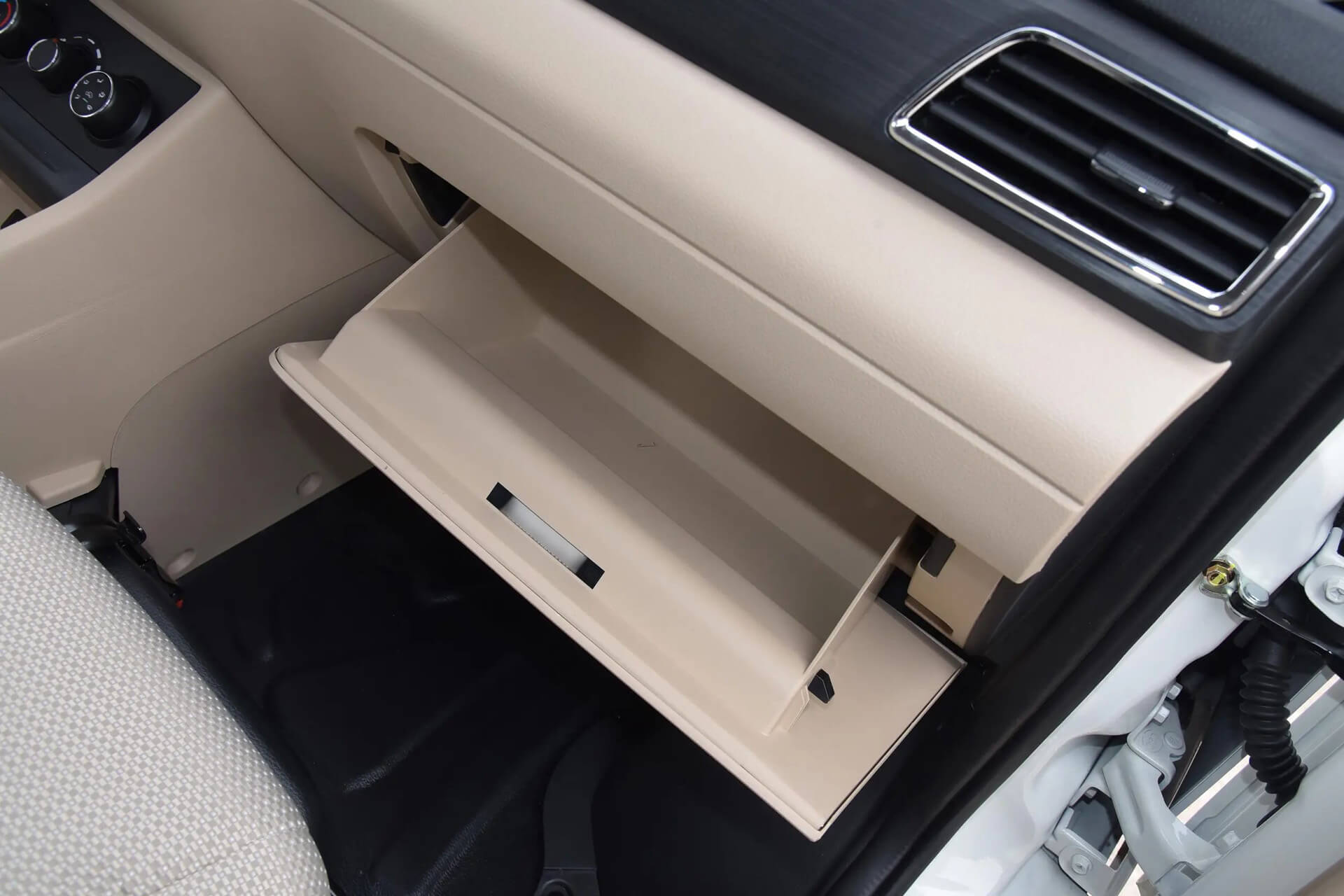
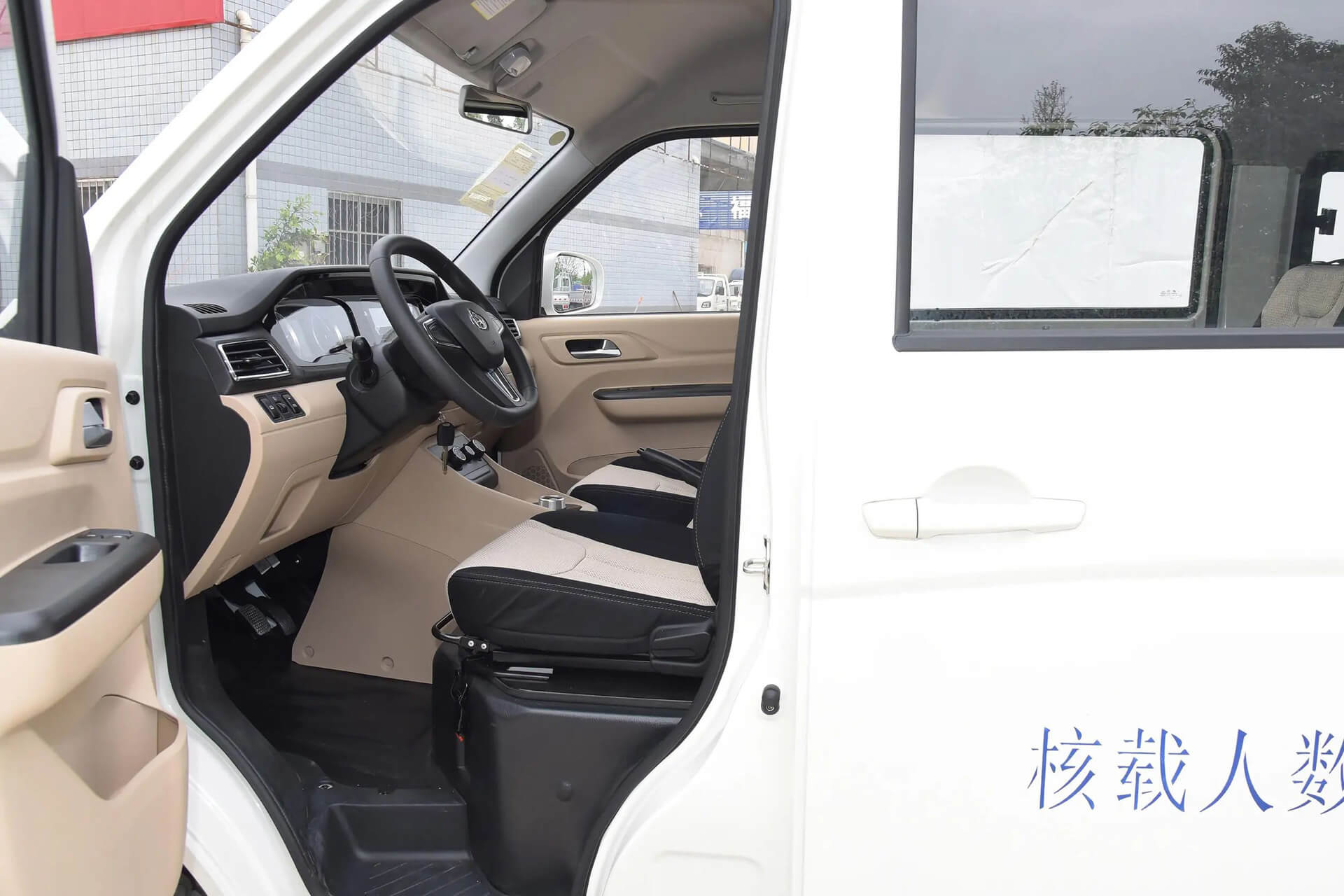
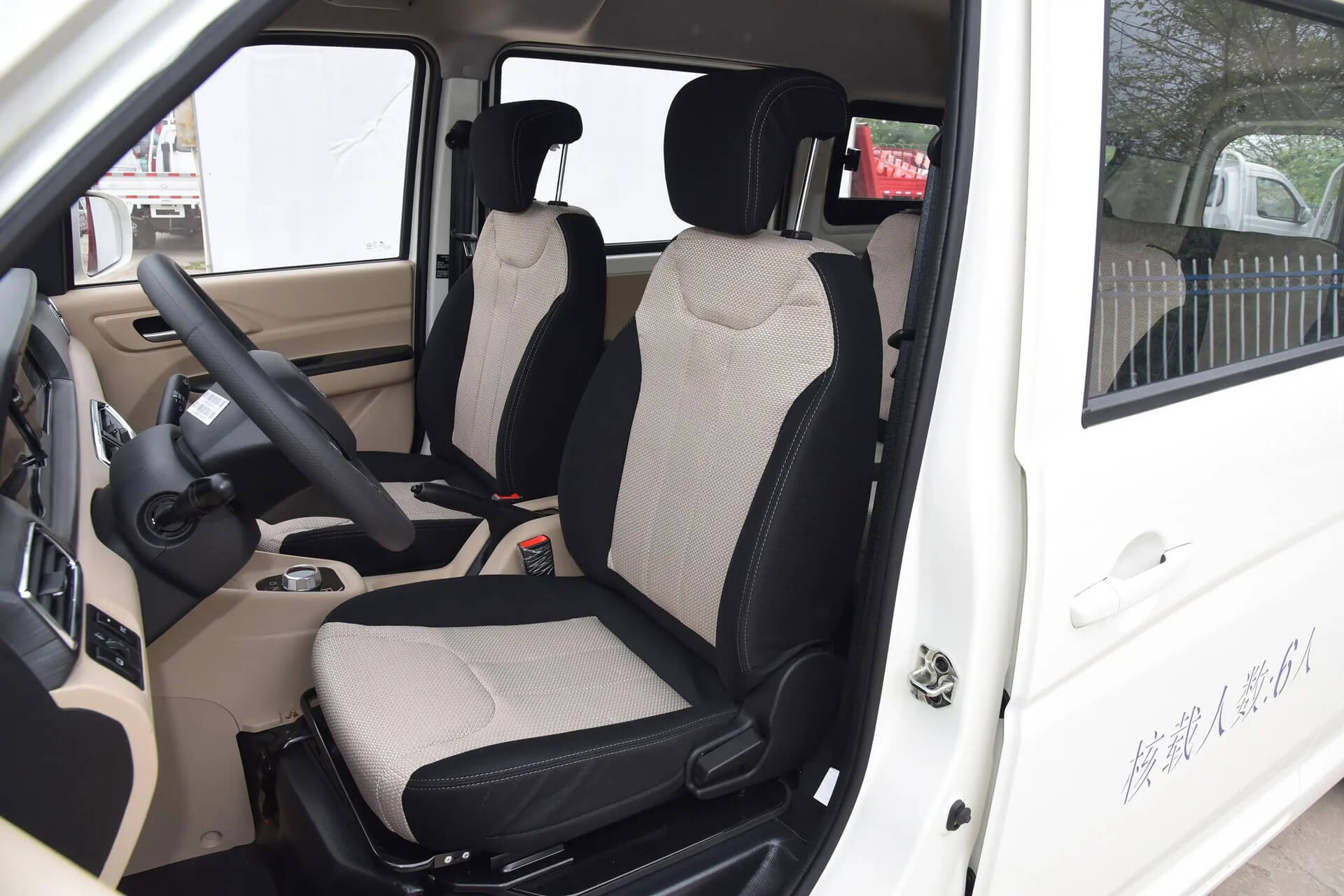
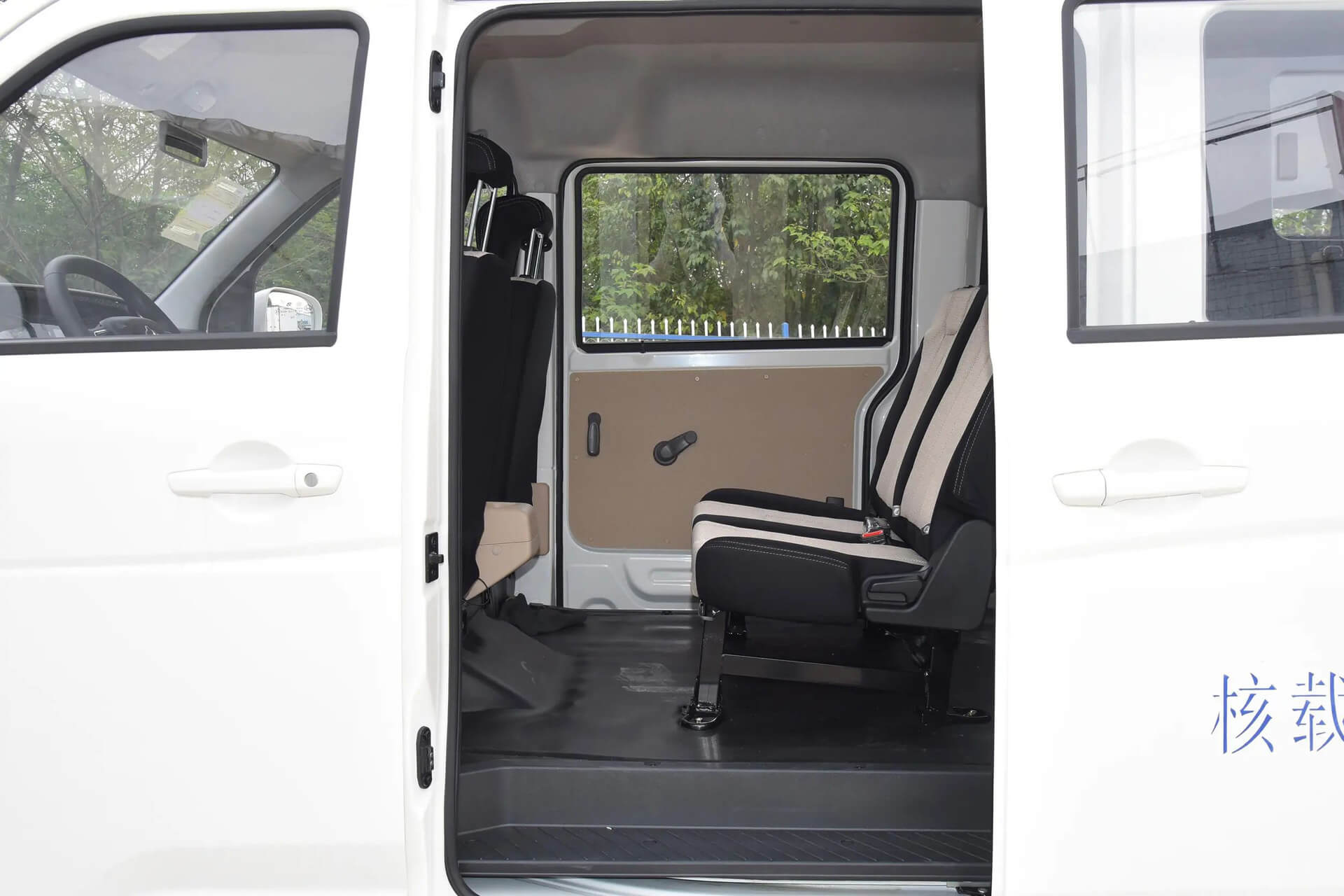
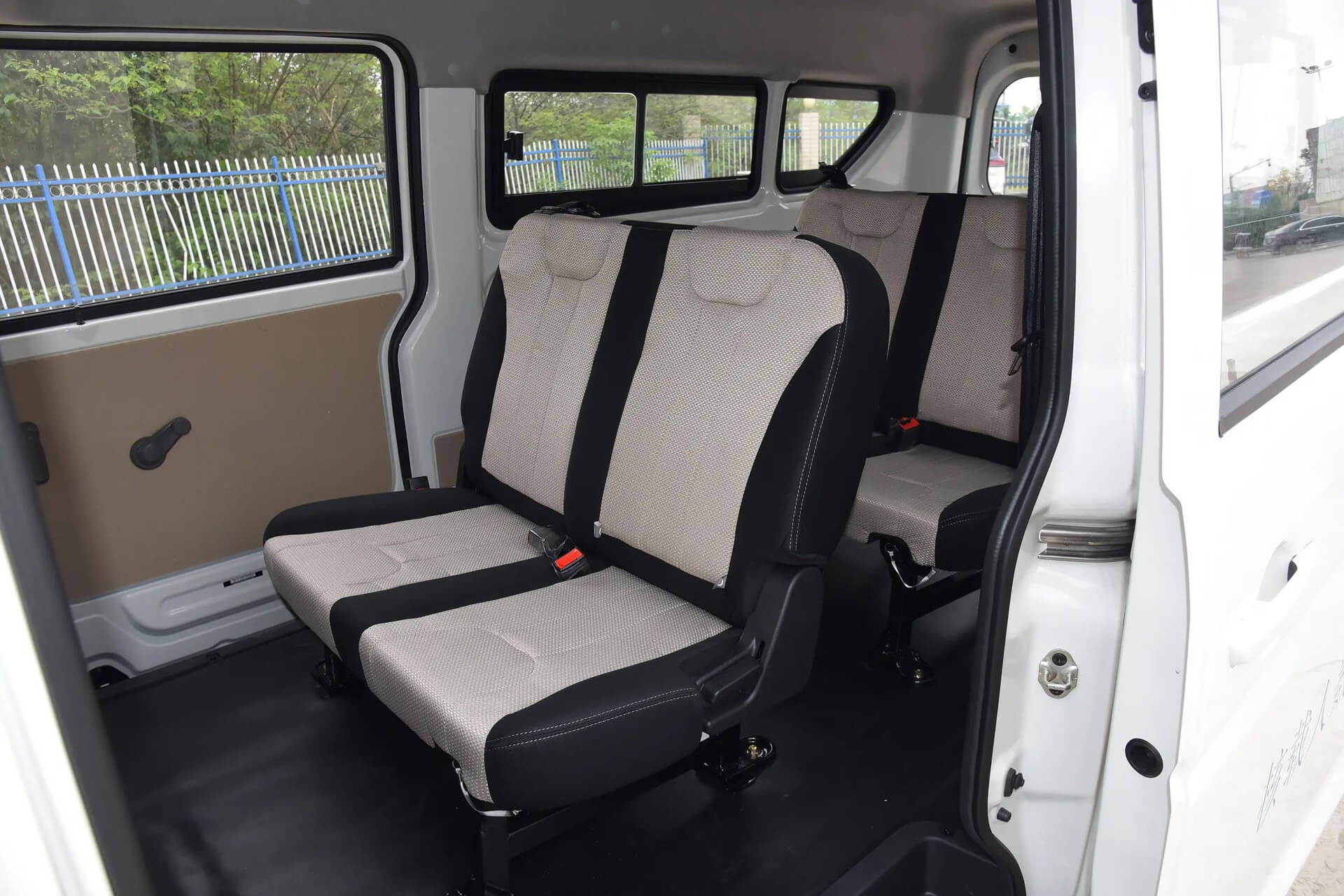
The table’s seat entry is written as “02/11/14”. It does not clearly identify the seating and body arrangement of one available vehicle. Ask for an interior layout, seat and belt specification, photos, certified seat count and registration category. Passenger transport and goods delivery have different capacity and approval requirements. Do not assume that seats can be removed or added legally, or that every listed option shares the same loading space and permitted weights.
Overall dimensions are shown as 4800 x 1680 x 1990 mm with a 3135 mm wheelbase. For cargo use, request usable interior length, width, height, door openings and certified payload, none of which can be established from exterior dimensions alone. For passenger use, confirm aisle access and the actual cabin equipment. The listed tire size is 195/65R15 with single rear tires; match any service-parts order to the finished vehicle’s specification.
Confirm charging hardware, not just connector wording
The charging row reads “6.6(GB)/6.6(CCS 2)” kW. Ask whether this describes onboard AC charging, a market-specific connector arrangement or another configuration. The wording does not establish a DC fast-charging rate, the presence of CCS2 hardware or compatibility with every charger. Obtain charging-port photos, AC/DC power limits, supply requirements and the battery warranty terms. Build the duty-cycle comparison around route length, load, climate and charging opportunities rather than estimating usable range from battery capacity alone.
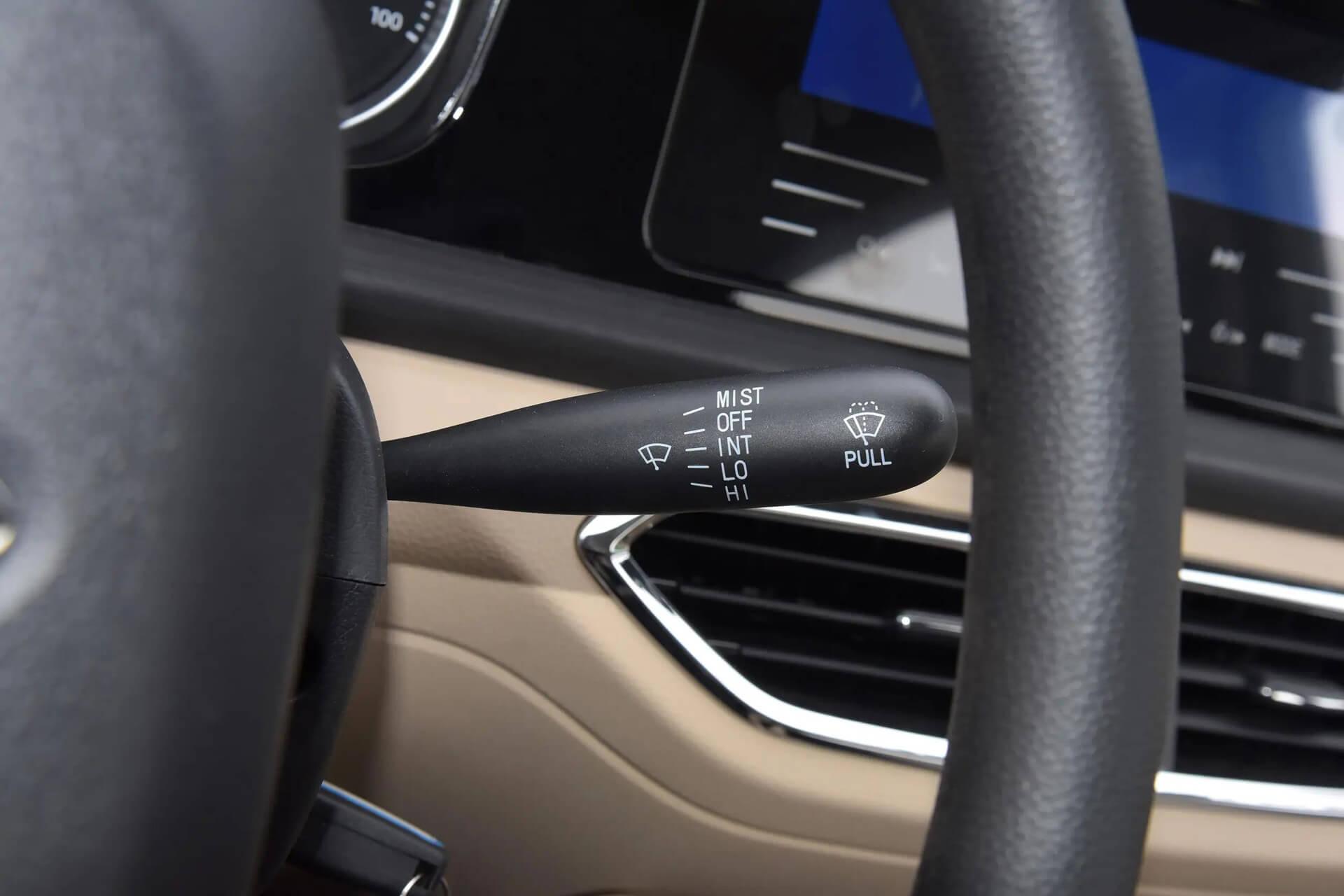
EPS, ABS and DRL are listed as basic equipment. Air conditioning, electric windows with central locking, a rear-view camera, airbags and ESC appear in the optional-equipment row, so verify what the quoted trim actually includes. LHD and RHD are both mentioned, but current availability of either steering configuration needs a written confirmation.
Send the seating/body requirement, route and local charging setup through the V7 EV inquiry, or compare the Van category. UNECE regulations offer approval context; International Transport Forum resources offer transport background. Neither confirms a particular seating layout, charging build or destination approval.